
Bryan Kim Leaves a16z to Launch $100M Mido Capital
TL;DR
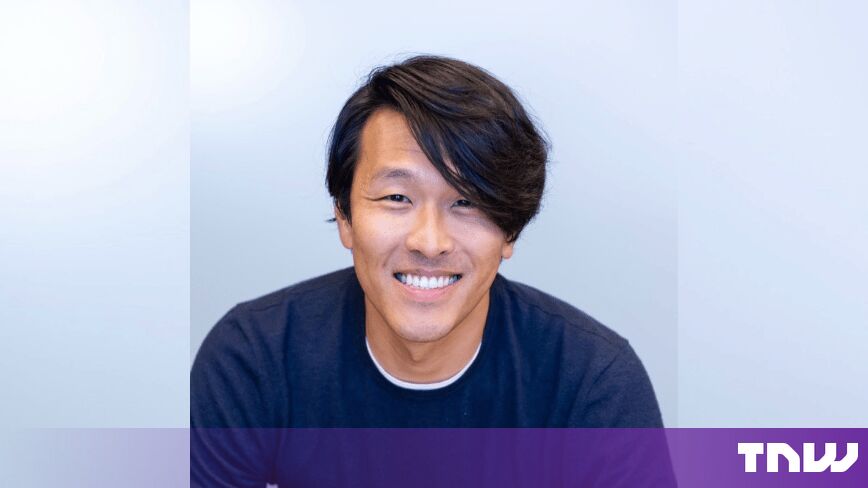
Bryan Kim, who spent more than five years on Andreessen Horowitz's consumer and AI-apps team, is striking out on his own with Mido Capital, a new venture firm targeting roughly $100 million for its debut fund. He filed formation paperwork in Delaware in July 2026, three months after publicly announcing his exit from a16z. The fund will write early checks into consumer AI and adjacent startups, betting that the next generation of breakout consumer products won't come from the foundation-model labs but from smaller teams building on top of them. It's a modest number by 2026 mega-fund standards, but it's a clean, focused bet from an investor whose track record includes ElevenLabs, and it adds to a growing list of brand-name partners leaving the platform firms to run their own money.
Key Takeaways
This is a debut fund, full stop, with no prior fund performance to underwrite it. Kim is raising on the strength of his a16z deal sheet and personal brand rather than a realized track record as a fund manager. LPs backing Mido are underwriting an operator's judgment and a still-unproven ability to source, price and support deals without a16z's platform, reserves and recruiting machine behind him.
Consumer AI is the contrarian trade right now, not the consensus one. Most of 2026's AI capital has piled into infrastructure, foundation models and enterprise tooling; consumer-facing AI companies make up only about 12% of the roughly 26,000 AI and machine-learning startups tracked by PitchBook, and dollars into the category (excluding OpenAI, Anthropic and xAI) grew a mere 3.6% last year. Kim is effectively betting that cheap, abundant intelligence will spawn a wave of consumer products built on top of the frontier labs rather than competing with them, and that capital scarcity in the category means better entry prices and less competition for the deals that work.
Mido looks like a solo-GP shop, at least for now. Every account of the fund refers to Kim alone; there is no mention of a co-founder, a second general partner or a named investment team in any of the reporting or in Kim's own public statements. That's a meaningful structural choice for a $100 million fund — it keeps decision-making fast and the brand personal, but it also concentrates sourcing, diligence and board work on one person, which caps how many meaningful checks the fund can realistically write and support.
Don't credit Mido for Kim's greatest hits — they belong to a16z. ElevenLabs, Cluely, Function Health, Partiful and SlingshotAI were all a16z-era investments made with a16z's capital and platform; Kim's $15 million check into Cluely, for instance, closed in mid-2025 while he was still a partner there. Mido inherits Kim's judgment and relationships, not those cap table lines, and its own first deals — whenever they're disclosed — are the ones that will actually define the fund.
Fund Overview
Fund Name: Mido Capital (Fund I)
Fund Size: Targeting approximately $100 million (not yet reported as closed)
Stage: Early-stage — seed and Series A
Check Size: Not publicly disclosed
Geography: U.S.-focused; entity formed in Delaware in July 2026, with Kim based in the San Francisco Bay Area
Focus: Early-stage consumer AI and related consumer-technology startups
Key LPs: Not publicly disclosed
Why This Fund Matters
Kim's departure fits a pattern that's become impossible to ignore in 2026: senior partners at the mega-firms cashing in their reputations to run smaller, more personal pools of capital. When a16z, Sequoia and their peers are raising billions for AI-infrastructure megafunds, a $100 million debut vehicle reads almost as a rebellion against scale — a bet that the next great consumer AI company will be found and won through relationships and conviction, not through the size of the check or the depth of the platform behind it.
The category he's chosen is the more interesting part of the story. Consumer AI has spent the last two years in the shadow of ChatGPT and the other frontier chat interfaces, which soak up a disproportionate share of both usage and investor attention. PitchBook's numbers back up what the anecdotal evidence has suggested: capital into consumer-facing AI companies has been essentially flat once you strip out the three labs consuming the largest checks. That's exactly the kind of setup a solo GP with a strong reputation can exploit — less capital chasing the category means less competition for entry into the deals that do work, and founders building interesting consumer products have fewer investors who understand the space deeply enough to move fast.
Kim's specific thesis, as best it can be pieced together from his public commentary, is that the interesting opportunity isn't in racing to build bigger models but in building products on top of increasingly cheap and abundant intelligence — tools that compress the distance between what an individual and a well-resourced institution can produce. That's a reasonable read of where consumer AI is heading, and it lines up with the shape of his a16z portfolio: voice (ElevenLabs), AI-native creation tools (Captions, Raspberry AI), consumer health (Function Health, SlingshotAI) and social/connection products (BeReal, Partiful) rather than picks-and-shovels infrastructure.
The bigger question the fund raises is about durability of edge. Kim's advantage at a16z was never just judgment — it was a16z's brand pulling founders into the building, a research and go-to-market platform that could support portfolio companies post-investment, and co-investment relationships that let him move on rounds other investors couldn't access. A solo $100 million fund has none of that infrastructure. Whether Kim's personal relationships and reputation are enough to replace it is the real experiment Mido represents.
The Team
Bryan Kim is Mido Capital's founder and sole named general partner; no co-founders or additional partners have been disclosed in any reporting on the firm. He spent more than five years at Andreessen Horowitz on the firm's consumer and AI-apps investing team, joining in November 2020 and departing in 2026. His standout deal there was ElevenLabs, the voice-AI company a16z co-led into its Series A and Series B rounds and which has since become one of the category's defining names. His broader a16z portfolio spanned Function Health, Partiful, SlingshotAI, Captions, BeReal, Raspberry AI and Cluely, where he led a $15 million round in mid-2025 — all deals made under a16z's banner, not Mido's.
Before venture capital, Kim built an operating résumé that's unusually deep for a consumer-focused investor. He was part of Snap's early strategy team, where he worked on acquisitions including Looksery and Bitmoji, ran growth and product-operations functions, and helped scale Snap's finance organization from a handful of people to more than 70 through the company's IPO. He later served as CFO of home-rental startup Bungalow and was a founding general partner at Uncommon Projects, an operator-led seed fund, before joining a16z. Earlier still, he worked in technology M&A and capital markets at Credit Suisse. He holds a BA in economics and international relations from Carleton College and an MBA from Columbia Business School. That combination of operator, banker and seed investor experience is a more unusual base for a solo-GP launch than the typical "partner spins out" story, and it's arguably a stronger asset than the ElevenLabs headline given how much of a new fund's early value-add comes from operational help rather than sourcing alone.
Worth flagging directly: no outlet has published a statement from Kim himself confirming Mido's name, target size or thesis in his own words. The Wall Street Journal's report — which the rest of the trade press is following — is sourced to a Delaware regulatory filing and people familiar with the matter; Kim is reported to have declined to comment. His only public remarks so far are an April 2026 LinkedIn post announcing his exit from a16z, in which he talked about wanting to build and described abundant intelligence as reshaping the gap between individuals and institutions, without naming the firm or the fund size. Readers should treat "Mido Capital" and "$100 million" as well-sourced trade-press reporting, not as facts confirmed directly by Kim.
What This Means for Founders
Founders building early-stage consumer AI products — voice, creation tools, consumer health, social and community apps — are the clearest fit for Mido's stated thesis, especially those building on top of foundation models rather than trying to compete with them. Given the fund's size and Kim's a16z-era check sizes, expect Mido to play at seed and Series A, writing meaningful but not lead-the-round-at-any-price checks, and to lean hard into Kim's personal network and operating background rather than a large platform team for value-add.
The trade-off founders should weigh is bandwidth versus access. A solo GP can move fast, engage personally on every deal, and bring real operating experience — Kim has actually built finance and growth functions at scale, not just watched others do it. But a $100 million fund run by one person has a ceiling on the number of boards it can meaningfully serve and the follow-on capital it can commit as portfolio companies mature. Founders who want a hands-on, founder-friendly early check from someone who has been on the other side of the table may find Mido compelling; those who need a big syndicate or heavy downstream capital support should plan for that from other investors in the round.
Fund Momentum Take
We like the focus here more than the fund size. A $100 million debut targeting a genuinely underfunded corner of AI is a more coherent thesis than yet another generalist AI fund chasing the same twenty logos every other new entrant is chasing. Kim's operator background — Snap at scale, a CFO seat, a prior seed fund — gives him a credible answer to the "why you and not a16z" question that most spinout GPs can't answer nearly as well.
The risk is structural, not thesis-level. Solo-GP funds live and die on the founder's ability to keep winning competitive rounds without a big brand behind them, and early-stage consumer AI is exactly the kind of hot, narrative-driven category where a16z's name alone used to get Kim into rooms. Cluely and ElevenLabs happened because a16z co-signed those checks; Mido has to prove it can win comparable deals on Kim's signature alone, and the absence of any confirmed early Mido investments as of this writing means that test hasn't started yet. We'd also flag the LP-diligence gap in the public record: there's no confirmed fund size close, no named anchor LP, and no direct quote from Kim on strategy — all of that should firm up before founders or co-investors treat the fund's terms as settled.
Our bet: this fund gets built and probably gets to a first close near the reported target, because the operator credibility and the ElevenLabs halo are real currency with LPs right now. Whether it becomes a top-tier early-stage franchise depends entirely on whether Kim can replicate a16z-caliber access as a fund of one — and that's a genuinely open question, not a formality.
Frequently Asked Questions
What is Mido Capital?
Mido Capital is a new venture capital firm founded by Bryan Kim, a former Andreessen Horowitz partner, targeting roughly $100 million for its debut fund focused on early-stage consumer AI and related startups.
How much is Mido Capital trying to raise?
Reporting citing a Delaware regulatory filing and people familiar with the matter puts the target at approximately $100 million for the fund's first close. Kim has not personally confirmed the figure publicly.
Who is Bryan Kim?
Kim spent more than five years at Andreessen Horowitz on its consumer and AI-apps investing team, joining in November 2020. His best-known deal there was voice-AI company ElevenLabs; he also backed Function Health, Partiful, SlingshotAI, Captions, BeReal and Cluely. Before venture capital he held operating and finance roles at Snap and Bungalow and was a founding partner at seed fund Uncommon Projects.
Does Mido Capital have other partners besides Bryan Kim?
Based on all available reporting, no co-founders or additional general partners have been named. Mido currently appears to be a solo-GP firm built around Kim.
Is this Mido's first fund, and does Mido have a track record yet?
Yes — this is a debut fund with no predecessor vehicle and, as of this writing, no publicly disclosed Mido investments. Kim's track record comes entirely from deals made while he was at a16z, which are not part of Mido's portfolio.
Have a fund closing to announce? Submit your fund here.
Need help raising capital? Check out our Fundraising Advisory services.
Related funds in the index
Seed · Consumer & Commerce funds from the verified index
| Fund | Size | Stage | Location | Focus |
|---|---|---|---|---|
| Align Ventures Early-Stage Fund II | $125M USD | Seed | United States | Consumer & Commerce, Wellness & Lifestyle |
| Greylock 18 | $1.5B USD | Seed | United States | AI/ML, Cybersecurity +3 |
| Animal Capital Fund III | $33M USD | Seed | United States | Consumer & Commerce, Creator Economy +2 |
| Khwarizmi Ventures Fund II | $70M+ USD | Seed | Saudi Arabia | FinTech, Consumer & Commerce +1 |
| Homegrown Ventures Fund I | $22.8M USD | Seed | United Arab Emirates | Consumer & Commerce, Food & Beverage |