
Reed Jobs's Yosemite Closes $350M Fund II for Cancer
TL;DR
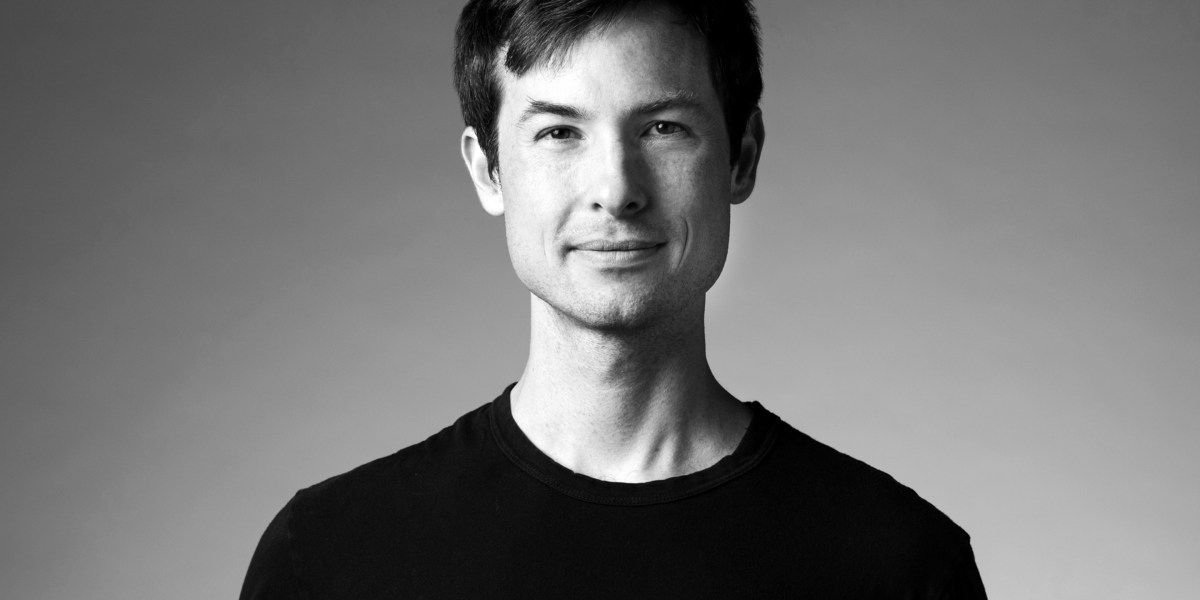
Yosemite, the cancer-focused venture firm Reed Jobs spun out of Laurene Powell Jobs's Emerson Collective in 2023, has closed its second fund at $350 million, up sharply from the $200 million first close it announced in January. Jobs, Steve Jobs's son, told Fortune and the Term Sheet Podcast that the firm's goal isn't to cure cancer outright but to make it non-lethal, following the trajectory AIDS treatment took from fatal diagnosis to manageable chronic condition. Fund II's backers include Amgen, AbbVie, MIT, Memorial Sloan Kettering, and investor John Doerr. Yosemite pairs traditional venture investing, aimed at real exits and venture-scale returns, with philanthropic research grants to academic scientists, a structure Jobs says lets the firm test ideas cheaply before committing real capital.
Key Takeaways
Fund II nearly doubled in size between its first and final close. Yosemite's second fund started with a $200 million close in January and grew to $350 million by early November, a jump Jobs called a serious step up. That trajectory, inside a single calendar year, says as much about LP demand for cancer-focused biotech as it does about Yosemite's own momentum.
The LP roster blends pharma, academia, and individual conviction capital. Amgen and AbbVie bring strategic pharmaceutical money, MIT and Memorial Sloan Kettering bring academic and clinical research credibility, and John Doerr's personal participation adds a well-known venture name to the cap table. That combination gives Yosemite both capital and institutional relationships that a purely financial LP base wouldn't provide.
The grant-making arm is a genuine structural differentiator, not a marketing layer. Jobs describes the philanthropic grants to university scientists as a way to fail cheaply and flip over the first card on an idea before Yosemite commits venture capital to a startup built around it. That sequencing, cheap academic testing before expensive venture bets, is unusual among cancer-focused funds and is worth watching as a repeatable model rather than a one-off.
Reed Jobs's personal history is inseparable from the firm's thesis. Jobs began working in cancer labs as a teenager after his father, Steve Jobs, became sick, and Yosemite's entire framing, that cancer should become non-lethal rather than curable, traces directly back to that experience. It's the kind of founder story that shapes both fundraising and portfolio selection in ways a generic thesis statement wouldn't.
Fund Overview
Fund Name: Yosemite Fund II
Fund Size: $350 million final close (up from a $200 million first close in January 2026); Fund I closed at $263 million in 2024
Stage: Early-stage startup investing, paired with philanthropic research grants to academic scientists
Check Size: Not disclosed
Geography: United States-focused biotech and healthcare
Focus: Making cancer non-lethal through startup investing and scientific grant-making, spanning drug discovery, screening, and care navigation
Key LPs: Amgen, AbbVie, MIT, Memorial Sloan Kettering, and investor John Doerr
Why This Fund Matters
Yosemite's jump from a $200 million first close to a $350 million final close inside roughly ten months is a concrete data point on how much capital is willing to chase cancer-focused biotech right now, at a moment when Jobs himself notes the sector was in a genuine slump when he started the firm in 2023. LPs don't commit incremental hundreds of millions of dollars to a two-year-old fund family without conviction that the underlying science has turned a corner, and Jobs points specifically to recent advances in GLP-1 drugs, immunotherapy, and pancreatic cancer vaccines as the kind of scientific progress that changed his own calculus.
The LP list is itself a meaningful signal. Amgen and AbbVie are strategic pharmaceutical investors who bring more than capital: portfolio companies gain a plausible path to partnership, licensing, or acquisition conversations with two of the largest drugmakers in the space. MIT and Memorial Sloan Kettering bring research infrastructure and clinical credibility that can matter enormously when a startup needs trial access or academic validation. And John Doerr's personal check adds a recognizable venture name whose own track record in climate and tech investing lends outside legitimacy to a thesis that is, at its core, deeply personal to its founder.
The dual structure, venture capital alongside philanthropic grants, is the part of this story that deserves the most attention from other emerging managers in health and biotech. Jobs is explicit that the slowness of his industry, which he also credits as necessary from a regulatory standpoint, means capital gets wasted on ideas that were never going to work. Funding early scientific tests as grants rather than as equity investments lets Yosemite kill bad ideas before they become expensive, and only route venture dollars toward concepts that have already cleared an initial, cheaper bar. That is a genuinely different sequencing than most venture-only cancer funds use, and it is worth tracking whether it produces a measurably different hit rate over the life of Fund II.
The Team
Reed Jobs founded Yosemite in 2023 after spinning the effort out of Laurene Powell Jobs's Emerson Collective, where cancer-focused investing had been part of his work before the firm became independent. Jobs is Steve Jobs's son and has described working in cancer research labs as a teenager, starting around the time his father's own cancer diagnosis became public; Steve Jobs died in 2011. Fortune's reporting, based on an exclusive interview with Jobs, is the primary source for this piece, and it did not name additional Yosemite partners or investment staff beyond Jobs himself, so this piece does not speculate on the broader team's composition.
Early Portfolio
Yosemite's first fund, which closed at $263 million in 2024, backed AI drug discovery startup Chai Discovery, cervical cancer screening company Teal Health, epigenetic medicine developer Tune Therapeutics, and care navigation startup Sage Care. Fortune's reporting did not disclose Fund II's portfolio companies as of the fund's final close.
What This Means for Founders
For founders building in oncology, cancer diagnostics, or adjacent therapeutic areas, Yosemite is now sitting on $350 million and an LP base that includes two major pharmaceutical companies and two leading research institutions, which means a Yosemite check can plausibly open doors beyond the capital itself. Jobs's own framing, that he's looking for venture-scale returns rather than running a purely philanthropic vehicle, suggests founders should expect the same ownership and governance expectations as any traditional venture investor, not a softer or more patient variant because of the mission-driven branding.
For academic scientists specifically, Yosemite's grant program is worth understanding as a distinct, lower-stakes entry point that sits upstream of the venture fund itself. Jobs describes the grants as a way to test ideas quickly and cheaply at universities before anyone commits venture dollars, which means promising early research that isn't yet a fundable company might still find a path to Yosemite support, and potentially to a future equity check once the idea has been validated.
Fund Momentum Take
What stands out about Yosemite is how directly its structure follows from its founder's own stated logic rather than from a generic fund-strategy template. Most cancer-focused venture firms pick a lane, therapeutics, diagnostics, or tools, and stay in it. Jobs is explicitly running two parallel engines, equity investing for venture returns and grant-making for cheap early validation, because he's decided that's the only way to move fast without wasting capital in an industry he knows firsthand is slow by necessity. That's a coherent answer to a real problem, and it's rare to see a fund manager articulate the sequencing this clearly in public.
The near-doubling from Fund I to Fund II, and the jump within Fund II itself from a $200 million first close to a $350 million final close, is the kind of growth curve that invites scrutiny on deployment pace and discipline. Scaling a concentrated, thesis-driven cancer fund from $263 million to $350 million in roughly two years is a meaningfully larger pool of capital to put to work with the same quality bar, and LPs who signed on for Fund I's more modest size will be watching closely whether Fund II's larger checks and presumably larger portfolio maintain the same hit rate.
The LP roster is Yosemite's clearest competitive advantage and its most interesting open question at the same time. Having Amgen, AbbVie, MIT, and Memorial Sloan Kettering all at the table gives portfolio companies real strategic optionality that a pure financial-LP fund can't offer. The open question is how Yosemite manages potential conflicts as its portfolio companies grow into categories where Amgen or AbbVie might eventually want to be acquirers, licensors, or competitors rather than passive LPs. That tension doesn't need to be resolved today, but it's the kind of structural dynamic worth watching as specific portfolio companies mature.
Frequently Asked Questions
How big is Yosemite's new fund?
Yosemite's second fund closed at $350 million, up from a $200 million first close announced in January 2026. The firm's first fund closed at $263 million in 2024.
What is Yosemite's investment thesis?
Yosemite invests in cancer-focused startups with the explicit goal of making cancer non-lethal rather than curable, drawing a comparison to how AIDS went from a fatal diagnosis to a manageable chronic condition through combination drug therapy. The firm pairs startup equity investing with philanthropic research grants to academic scientists.
Who are Yosemite's key backers?
Fund II's disclosed limited partners include pharmaceutical companies Amgen and AbbVie, research institutions MIT and Memorial Sloan Kettering, and individual investor John Doerr.
What has Yosemite invested in so far?
Fund I's disclosed portfolio includes AI drug discovery startup Chai Discovery, cervical cancer screening company Teal Health, epigenetic medicine developer Tune Therapeutics, and care navigation startup Sage Care. Fund II's portfolio has not been disclosed yet.
Who founded Yosemite, and why?
Reed Jobs, Steve Jobs's son, founded Yosemite in 2023 after spinning the effort out of Laurene Powell Jobs's Emerson Collective. Jobs has said he began working in cancer research labs as a teenager after his father's illness, and that experience directly shapes the firm's cancer-focused thesis.
Have a fund closing to announce? Submit your fund here.
Need help raising capital? Check out our Fundraising Advisory services.
Related funds in the index
Biotech funds from the verified index
| Fund | Size | Stage | Location | Focus |
|---|---|---|---|---|
| Sofinnova Crossover Fund II | €725 million EUR | Series C | France | Biotech, MedTech +1 |
| LEA Ventures | Around EUR 70M per fund, investing since 2017 EUR | Pre Seed | Germany | Deep Tech, Robotics & Automation +4 |
| Noctua Science Ventures | €15M EUR | Pre Seed | Austria | Deep Tech, SaaS +5 |
| NeoSci Ventures (NSV) Fund I | S$70M SGD | Seed | Singapore | Biotech, Digital Health +3 |
| Genesys University Seed Fund | C$30M CAD | Seed | Canada | Biotech, MedTech |