
Ondine Capital Hits First Close on Fund III for AI, Chips
TL;DR
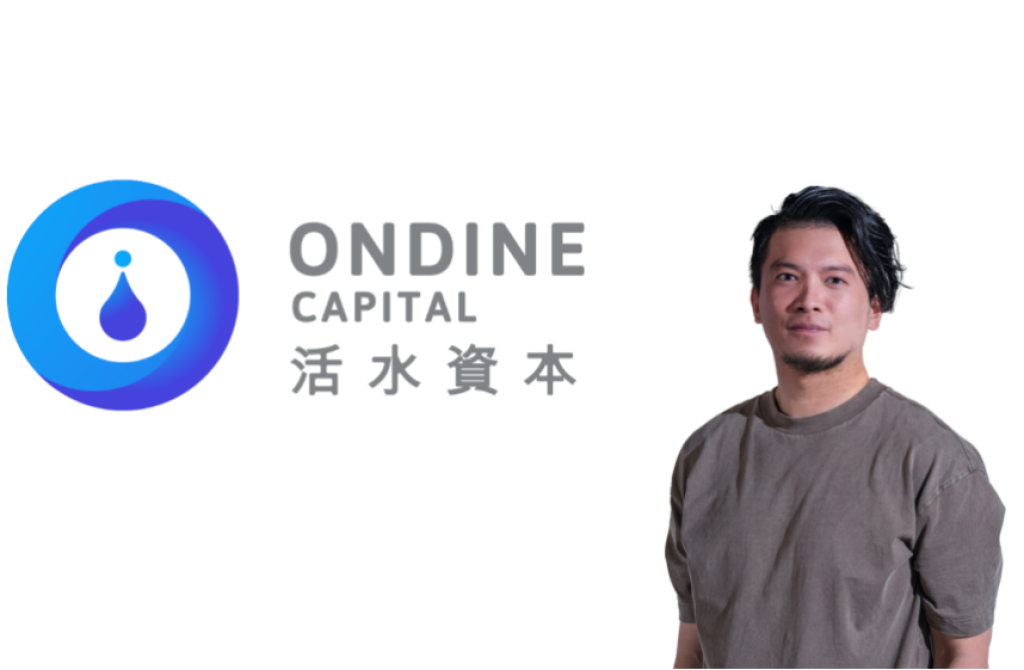
Taipei-based Ondine Capital has announced the first close of Fund III, its third US dollar-denominated venture vehicle, with commitments from institutional and strategic limited partners including several leading Taiwanese semiconductor companies. Neither the first-close amount nor a fund target was disclosed. The firm, founded in 2019 and focused on AI and semiconductors across Taipei and Singapore, paired the announcement with the hire of Brian Yen, formerly head of Headline Asia's Taipei office, as a new partner. Fund III will invest across the full AI stack, from foundation models and next-generation chips to AI infrastructure, AI-native software, and physical AI, and the firm's early portfolio already includes stakes alongside some of the best-capitalized names in frontier AI.
Key Takeaways
A Taiwanese semiconductor LP base is the real story here. Ondine didn't just raise money from generalist allocators; it pulled commitments directly from semiconductor enterprises in Taiwan, the firm's home market. That's a structural advantage most AI-focused funds outside Asia can't replicate: strategic LPs who also happen to be potential customers, partners, and sources of proprietary deal flow for portfolio companies building at the hardware layer.
The portfolio is doing a lot of the talking, since the numbers aren't. With no fund size disclosed, Ondine is leaning on its existing book, Recursive Superintelligence, Bot Auto, and Salience Labs, to make the case for Fund III. Each of those companies has already closed a large round from a brand-name lead since being backed by Ondine, which is a reasonable proxy for sourcing quality even without a headline fund number.
The Brian Yen hire signals a sourcing play, not just a chips thesis. Yen's background at Headline Asia was in consumer technology and agentic services across Japan, Taiwan, and Southeast Asia, which is a different lane from the deep semiconductor and physical AI focus Ondine has built its name on. Pairing him with Fund III suggests the firm wants a wider aperture on early-stage AI software, not just infrastructure and hardware.
Undisclosed fund size is the norm at this stage, not a red flag. Fund III is a first close, and plenty of VC firms wait until a final close, or choose never to publish a number at all, especially when strategic LPs prefer discretion. Readers should treat the absence of a dollar figure as incomplete information rather than evidence something is off.
Fund Overview
Fund Name: Ondine Capital Fund III
Fund Size: Not disclosed (first close only; no target or hard cap published)
Stage: Primarily early-stage, with the firm also following on in some growth rounds
Check Size: Not disclosed
Geography: Global mandate, sourced out of Taipei and Singapore, with a strong Taiwan and broader Asia-Pacific tilt
Focus: The full AI value chain: foundation models, next-generation semiconductors, AI infrastructure, AI-native software, and physical AI
Key LPs: Unnamed institutional and strategic investors, including several leading semiconductor companies in Taiwan
Why This Fund Matters
Ondine Capital occupies a specific and increasingly valuable niche: a Taipei-headquartered venture firm with direct lines into Taiwan's semiconductor supply chain, writing checks into AI companies well beyond its home market. As AI capital expenditure concentrates around chips, interconnects, and physical infrastructure, a fund that can pair Silicon Valley-caliber founder access with semiconductor-industry LPs sits in a structurally different position than a generalist AI fund raising from pension funds and fund-of-funds.
The timing also matters. Fund III's thesis spans the entire AI stack rather than picking a single layer, foundation models at one end, physical AI applications at the other, with infrastructure and software in between. That breadth is a bet that the next several years of AI value creation won't be confined to model labs, but will show up just as much in the picks-and-shovels layer: the chips, the data center interconnects, and the robotics and autonomy platforms that need all of it to work.
Ondine's existing book gives that bet some credibility. Recursive Superintelligence, founded by former Salesforce chief scientist Richard Socher, has already pulled in a $650 million round at a $4 billion pre-money valuation led by Google Ventures, with Nvidia and AMD participating. Salience Labs, a silicon-photonics optical switching startup working with Tower Semiconductor, closed $125 million led by Bullhound Capital with AMD Ventures and Intel Capital joining in. Bot Auto, an autonomous freight startup founded by former TuSimple co-founder and CTO Xiaodi Hou, is now running driverless freight operations with Ryan Transportation along the Houston-Dallas corridor. None of those outcomes are guaranteed to repeat, but they're a real signal that Ondine's sourcing reaches founders who can later pull capital from Google, Nvidia, AMD, and Intel.
What's missing from the announcement is just as instructive as what's in it. There's no fund target, no first-close amount, and no named LPs beyond the general description of Taiwanese semiconductor strategics. For a firm this early in its institutionalization, that's consistent with how many Asia-based funds handle disclosure, and it's not unusual for strategic LPs in particular to prefer staying unnamed. It does mean founders and LPs evaluating Fund III have to lean more heavily on the firm's track record and portfolio than on headline numbers.
The Team
Ondine Capital was founded in 2019 and operates out of Taipei and Singapore, built around a thesis of backing AI and semiconductor startups with genuine technical differentiation rather than simply writing checks into hot categories. The firm has previously invested in Evotrex and SWAP Energi, among other companies in its broader portfolio, alongside the AI-and-chips names associated with Fund III.
The headline personnel news alongside the first close is the addition of Brian Yen as partner. Yen joins from Headline Asia, where he was Principal and Head of the Taipei office and built a network spanning Japan, Taiwan, and Southeast Asia. His prior investments include respond.io, forest inc., Braid, and iMotorbike, work concentrated in consumer technology and agentic services rather than deep semiconductor investing. At Ondine, he's expected to focus on early-stage founders building intelligent software and physical AI platforms, which reads as an effort to widen the firm's sourcing beyond its traditional hardware and infrastructure lane.
Early Portfolio
Ondine's announcement highlighted three companies as Fund III portfolio proof points: Recursive Superintelligence, a recursive self-improving AI systems startup built by veteran researchers from OpenAI, Google, and Meta under Richard Socher; Bot Auto, a Houston-based autonomous freight company now running driverless routes with Ryan Transportation; and Salience Labs, a silicon-photonics optical switching company for AI data centers working with Tower Semiconductor. Each has closed a sizable follow-on round since Ondine's involvement, which the firm is clearly using as the evidentiary backbone for Fund III given the lack of disclosed fund economics.
What This Means for Founders
Founders building anywhere in the AI stack, model layer, infrastructure, chips, or physical AI, who want a check that comes with real Taiwanese semiconductor industry relationships should have Ondine on their list, particularly if hardware partnerships, fabrication access, or Asia-Pacific go-to-market are part of the roadmap. The firm's recent pattern, backing companies that go on to raise from Google Ventures, Nvidia, AMD, and Intel Capital, suggests it's comfortable writing early checks into capital-intensive, technically deep businesses rather than sticking to software-only deals.
With Brian Yen now in the fold, founders in consumer-adjacent AI software and agentic services, categories closer to his Headline Asia track record than to Ondine's historical chips-and-infrastructure focus, may find a more receptive audience at the firm than they would have a year ago. That's worth testing directly rather than assuming Ondine is strictly a hardware-only shop.
Fund Momentum Take
The interesting bet in Fund III isn't the AI thesis, every fund raising right now has an AI thesis, it's the LP base. Pulling commitments from semiconductor enterprises in Taiwan gives Ondine something most AI funds can't fake: strategic investors who sit inside the same supply chain their portfolio companies will eventually need to tap for fabrication capacity, components, or distribution. If that relationship actually translates into deal flow and follow-on support for portfolio companies, it's a durable edge rather than a marketing line.
The gap in the announcement is real, though. No fund size, no target, no named LPs beyond a general description means Fund III is currently a story told almost entirely through three portfolio logos. That's a reasonable way to raise a fund when your last few picks have gone on to raise from Google Ventures and Nvidia, but it also means outside observers can't yet assess whether this is a $50 million vehicle or a $300 million one, and that gap matters for founders trying to gauge check size and follow-on capacity before taking a term sheet.
Our read: the Brian Yen hire is the detail worth watching most closely over the next year. If Ondine genuinely broadens past its hardware-and-infrastructure roots into consumer AI software and agentic services, Fund III could end up looking meaningfully different from Funds I and II by the time it's fully deployed. Worth checking back once an actual fund size, and a second or third name beyond Yen, surfaces.
Frequently Asked Questions
How big is Ondine Capital Fund III?
Ondine has not disclosed a fund size, target, or hard cap for Fund III. The announcement covers only the first close and confirms commitments from institutional and strategic LPs, without naming an amount.
Who are Ondine Capital's limited partners?
The firm describes its LP base as top-tier institutional and strategic investors, including several leading semiconductor companies in Taiwan, but has not named specific LPs publicly.
What stage and sectors does Fund III target?
Fund III invests across the full AI value chain, including AI foundation models, next-generation semiconductors, AI infrastructure, AI-native software, and physical AI, with a primarily early-stage focus.
Who is Brian Yen and why does his hire matter?
Brian Yen joins Ondine as partner after leading Headline Asia's Taipei office, where he invested in companies including respond.io, forest inc., Braid, and iMotorbike. His consumer technology and agentic services background suggests Ondine is widening its sourcing beyond its traditional semiconductor and physical AI focus.
What has Ondine Capital invested in before?
Ondine's portfolio includes Recursive Superintelligence, Bot Auto, Salience Labs, Evotrex, and SWAP Energi. Several of these companies have gone on to raise large follow-on rounds from investors including Google Ventures, Nvidia, AMD, Intel Capital, and Bullhound Capital.
Have a fund closing to announce? Submit your fund here.
Need help raising capital? Check out our Fundraising Advisory services.
Related funds in the index
Deep Tech funds from the verified index
| Fund | Size | Stage | Location | Focus |
|---|---|---|---|---|
| Plural Fund III | €1 billion combined, with roughly two-thirds allocated to new early-stage investments EUR | Pre Seed | United Kingdom | Defense, EnergyTech +3 |
| LEA Ventures | Around EUR 70M per fund, investing since 2017 EUR | Pre Seed | Germany | Deep Tech, Robotics & Automation +4 |
| Noctua Science Ventures | €15M EUR | Pre Seed | Austria | Deep Tech, SaaS +5 |
| Entourage Fund II | €100M EUR | Pre Seed | Belgium | AI/ML, Enterprise Software +3 |
| Inspired Capital Fund IV | $450 million USD | Pre Seed | United States | AI/ML, Deep Tech +4 |