
After the Close #2: Cash Is a Commodity, the Network Isn't
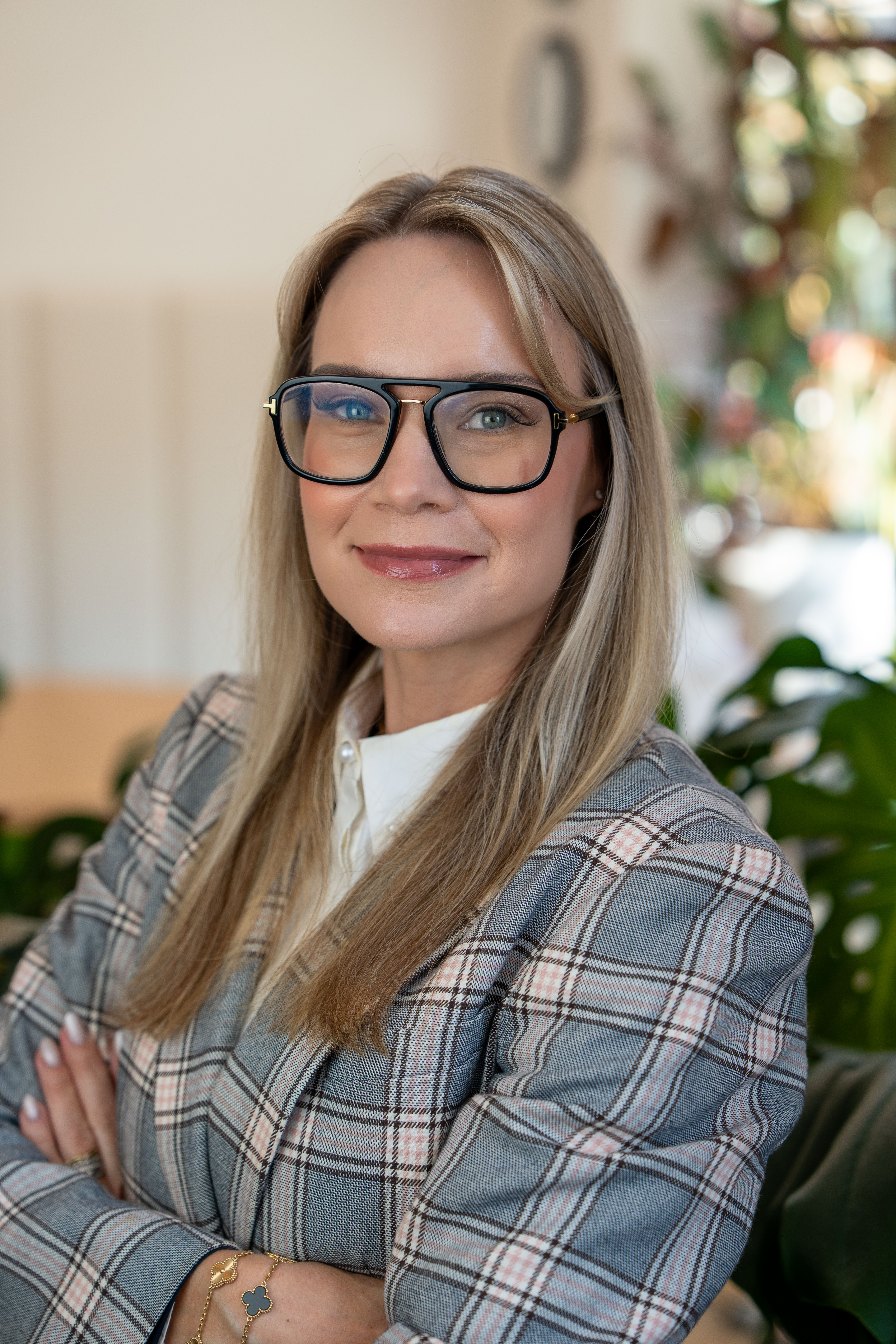
After the Close #2: U&I Ventures. Kim Moore, A first-time solo-GP on turning a technologist network into underwriting infrastructure, and the Zoom call with 68 CISOs that proved it.
Key takeaways for emerging managers
- Build the buyer network before you need it, not as a fundraising tactic. If the CISOs, CTOs and CIOs already trust you before the fund exists, diligence and distribution both get faster.
- A moat claim isn't real until a buyer pays for it. A strong partner-meeting pitch and a CISO willing to put something into production are two different tests, and only one of them matters.
- Oversubscribed doesn't mean no objections, it means you let consistency answer them. The hardest LP conversations don't close on a better argument. They close on reference calls and time.
U&I Ventures closed its oversubscribed $32.237 million debut fund on October 29. It's a San Francisco seed firm investing in AI-native infrastructure at the intersection of security, engineering and IT, and its disclosed portfolio includes Pluto Security and ZeroDrift.
For After the Close, we talk to GPs right after a close, while the lessons are fresh and the LP war stories are still honest. U&I is #2 because Kim Moore, its Founder and General Partner, built the fund's entire underwriting edge out of a community most firms treat as a marketing line, and she's specific about exactly how that worked, deal by deal.
Q1: The origin to fund story
"Cash is a commodity. They need the people who understand their software."
Kim Moore · U&I Ventures · After the Close #2
Starting this fund has really fed my soul, not my ego. It was a culmination of little moments over years, not one decision made in a single afternoon.
The moment that pushed it came during my time at my prior firm, where the founder and CEO had passed away. He was a legend in venture and he was my mentor. It made me look hard at what I had built over my career and what I wanted to do next. The answer was the people.
The signs had been there for years. At a tech conference, a colleague at a startup I'd angel funded jokingly called me "Kim Capital." I laughed it off. Then a CTO at a well-known bank told me he wanted to back me if I ever started a fund. I said, "Really? That is so kind of you to even say." I wasn't asking, and I wasn't thinking about it yet. A year ago, a CISO at one of the largest insurance companies in the country told me that when I started my fund, he wanted to be my first investor. The fund didn't exist yet. That's when I knew.
I've been in venture since 2013. Eleven years at Innovation Endeavors and Glynn Capital taught me how great firms work and where access really comes from. The founders building the plumbing for AI-native enterprises don't need another check. Cash is a commodity. They need the people who understand their software: the CIOs, CTOs and CISOs who can say yes to a proof of concept on a Tuesday.
Today that network is about 1,800 senior technology executives. And the timing is now. Enterprises are moving existing infrastructure budgets toward AI, and that window is the next 18 to 24 months. I wasn't going to watch it from the sidelines.
Nobody ever handed me a playbook. On my 16th birthday I knocked on the door of the store across the street from my high school and told them I was ready to work. They hired me within 24 hours. Starting a fund felt a lot like that: pure grit and determination with a hint of confidence.
Q2: One deal where the network was the actual edge
"By day three I knew the buyer urgency, the budget owner, and what the founder had right that the market didn't see yet."
Kim Moore · U&I Ventures · After the Close #2
A friend and investor I've worked with over the years, Robby Robson, who runs MTF, actually flagged Pluto to me before the fund had its first close. A month earlier, a founder had told me about Pluto and I said, "I don't have a fund!" so I didn't take the intro. Soon after, I met Shahar, the CEO. Her infectious energy around AI adoption becoming the new security problem CISOs must fix hooked me.
Within 48 hours, I had 68 CISOs on one massive Zoom meeting, not a webinar, a real working session. During that meeting my phone kept getting text messages from CISOs on the call: "I needed Pluto yesterday." By day three I knew the buyer urgency, the budget owner, and what the founder had right that the market didn't see yet. A fund without buyers on speed dial would have learned all of that from the first customer, months later, not on day three.
Here's the kicker: there actually wasn't any allocation left in the round by the time we kicked off our process, and the founders made it happen just for us.
Fast forward just 10 months and those early calls have flourished into hikes, camping trips, conferences, dinners, friendships, with many of those same CISOs now customers of Pluto. This part right here feeds my soul.
Q3: What's currently wrong about how security/AI-infrastructure capital gets deployed
"The real test is whether a CISO will put it into production and pay for it."
Kim Moore · U&I Ventures · After the Close #2
Most of the money is chasing the models. I think the biggest multiples will come from the picks and shovels: the infrastructure that makes AI safe, reliable, and usable by every employee in an enterprise.
Here's what I'm seeing. Roughly 30 agentic pen testing companies are raising at around $30 million-plus post-money. When I look for a moat in that crowd, I pause. A pitch can sound incredible in a partner meeting. The real test is whether a CISO will put it into production and pay for it.
Q4: The LP conversation that almost didn't work
"You need someone like me to open the door."
Kim Moore · U&I Ventures · After the Close #2
A lot of LPs wanted to co-invest alongside me instead of backing the fund itself. They wanted to know how I was getting into rounds that close within days of hearing a hot name. My answer was always the same: you need someone like me to open the door.
What changed their mind was opening my data room, doing reference calls with people I'd worked with or funded, and, honestly, just time. LPs got to see me show up over and over again, and I remained consistent. I did what I said I would do. That's really my personality as well, and who I've always been.
Q5: A deal you talked yourself out of, or you're still not sure about
"I did not run a full process on either company, so time will tell if I was wrong."
Kim Moore · U&I Ventures · After the Close #2
I've passed on two companies I really liked, based on price. Both are still founders I'm in touch with, and I admire what they're building. One founder I passed on even became an LP in Fund I.
When I did the math on the deals, I just couldn't justify it for our fund size. I did not run a full process on either company, so time will tell if I was wrong. Running a firm of our size takes speed, so I like to move on once I make a decision and not dwell on it.
Q6: How founders should reach out, and what the red flags are
"Lead with the problem and who feels it, not the product."
Kim Moore · U&I Ventures · After the Close #2
Founders usually come to us through a warm intro. If not, they can email us at deals@uandi.vc. Lead with the problem and who feels it, not the product.
What makes me pass fast:
Speed. If you're slow to reply to an email or a text, that tells me a lot.
Depth. If you're building agentic security, you should know the history of the category better than I do.
The moat. "We're AI-native" isn't one.
The problem. I want a massive, hard problem for a specific buyer.
How you treat people. I look for founders who listen, track what I'm saying, and ask real follow-up questions. You can't get far in this industry being unkind.
About U&I Ventures and Kim Moore
U&I Ventures is a $32.237 million seed fund based in San Francisco, investing in AI-native infrastructure at the intersection of security, engineering and IT. Kim Moore, a first-generation college graduate with a master's from Harvard, is its Founder and General Partner. She was Asana's 23rd employee and spent eleven years at Innovation Endeavors and Glynn Capital, backing infrastructure companies including Chronosphere and Drata, before starting U&I.
U&I's early backers
U&I has not publicly named its limited partners. Moore says family members were among the fund's earliest investors, alongside a CISO at one of the country's largest insurers who committed before the fund existed, and a CTO at a major bank who'd offered to back her years before that.
Raising your own fund?
LP Radar shows which LPs are actively backing emerging managers, so you can see who writes first-time-fund checks before you start outreach.
Have a fund closing to announce? Submit your fund here.
Related funds in the index
Active funds from the verified index
| Fund | Size | Stage | Location | Focus |
|---|---|---|---|---|
| Evertrue Capital, Fund I | $17M USD | Pre Seed | United Kingdom | AI/ML, FinTech |
| Creandum Fund VIII | €668M EUR | Pre Seed | United States | AI/ML, SaaS |
| U&I Ventures Fund I | $32.237M USD | Pre Seed | United States | AI/ML |
| Auriga Cyber Ventures Fund II | €80M EUR | Pre Seed | France | AI/ML, Data Infrastructure |
| Entourage Fund II | €100M EUR | Pre Seed | Belgium | AI/ML, Enterprise Software +3 |