
Floating Point Closes $125M Fund III to Back 'Complex' Startups
TL;DR
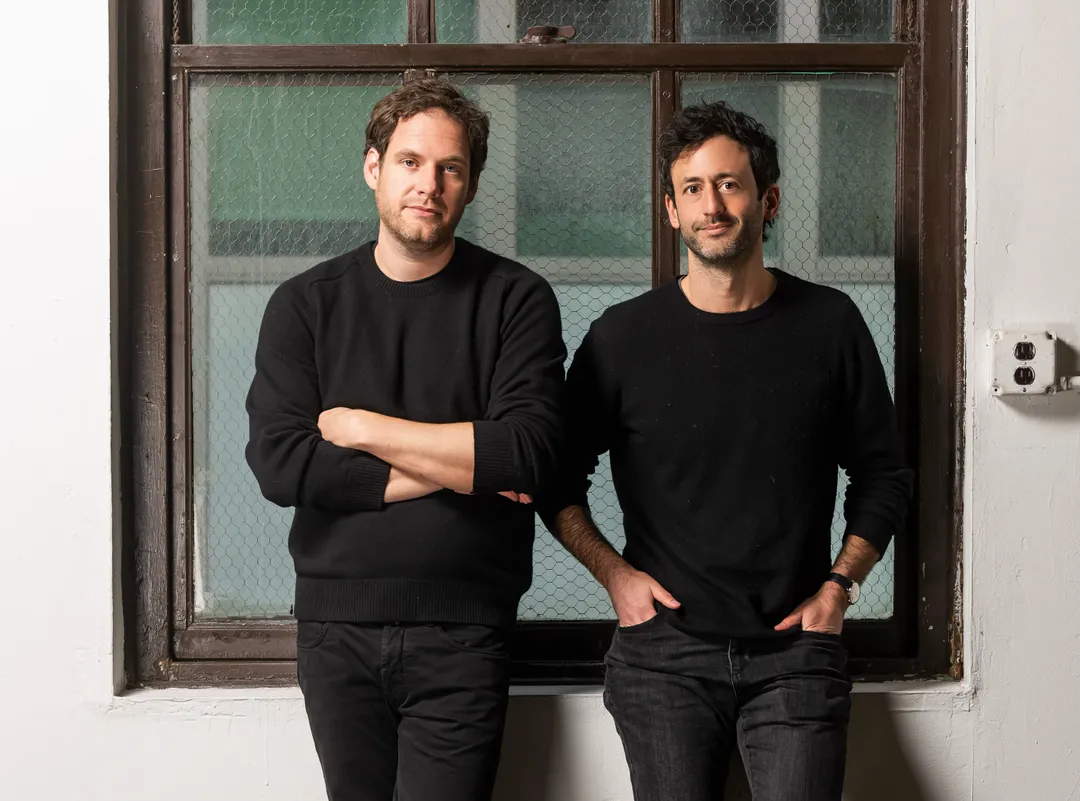
Floating Point, the Boston- and New York-based early-stage venture firm co-founded by Oscar Health alumni Eddie Segel and John Loser, has closed a $125 million Fund III, pushing the firm's total assets under management past $300 million. The firm's thesis is deliberately unfashionable in a market obsessed with pure software: it invests in "complex sectors", healthcare, logistics, finance, insurance and other regulated corners of the real economy, where founders have to build against operational and regulatory friction that most consumer and SaaS investors avoid. With 40-plus portfolio companies that have collectively raised over $2 billion, including insurance infrastructure play Ledgebrook and cross-border trade platform Altana, Floating Point is betting that durable moats increasingly come from mastering complexity rather than avoiding it.
Key Takeaways
The "complexity is a moat" thesis is a direct contrarian bet against the current AI-wrapper gold rush. While a huge share of 2026 seed and Series A capital is chasing thin AI application layers with minimal defensibility, Floating Point is explicitly targeting sectors, healthcare, insurance, logistics, where regulatory and operational complexity is the barrier to entry. That's a slower, harder path to scale, but a much harder one for a fast-follower or a foundation-model wrapper to copy.
Operator-founders building an operator-focused fund is a credible structural advantage. Segel and Loser were both on the founding team at Oscar Health, one of the more consequential attempts to rebuild health insurance from scratch, and several of Floating Point's venture partners (Jesse Horowitz, ex-Oscar Chief Product Officer; Vin Mitta, formerly at CMS) carry direct healthcare-system operating experience. That's a genuinely differentiated bench for founders navigating regulated markets, not just a VC firm with a health-tech vertical page.
A relatively modest, disciplined fund size in a market of mega-funds is itself a signal. $125 million for a third fund, after two prior funds that together brought AUM to just over $300 million, is a conservative, concentrated-portfolio strategy rather than a spray-and-pray growth-fund approach. That fits their stated "company builders" philosophy and suggests genuine conviction-driven check sizing rather than fee-maximizing fund growth.
The venture partner bench reads as a deliberate expert network, not padding. DoorDash co-founder Evan Moore, Facebook AI co-founder Serkan Piantino, and Altana's Aaron Libbey each bring a specific, relevant skill set (marketplace logistics, applied AI, cross-border trade data) that maps directly onto the firm's stated sectors. That's a more useful advisory structure than the more common practice of collecting recognizable names with loose relevance to the fund's actual thesis.
Fund Overview
Fund Name: Floating Point Fund III
Fund Size: $125 million
Stage: Early stage (seed and Series A)
Check Size: Not disclosed
Geography: US, based in Boston and New York
Focus: Complex, regulated sectors, healthcare, logistics, finance, insurance, and other operationally difficult segments of the real economy
Key LPs: Institutional investors, endowments, foundations, funds of funds, and individual founders/chairmen of hedge funds and private equity firms (specific names not disclosed); family office backing reported from the Pagliuca family
Why This Fund Matters
The dominant venture narrative in 2026 is still AI-first, and a meaningful share of that capital is chasing thin application-layer software with limited technical or regulatory moats. Floating Point's bet runs the other direction: the firm is explicitly seeking out sectors where complexity itself, insurance underwriting, healthcare reimbursement, cross-border logistics compliance, is the defensibility. That's a slower burn thesis, but historically it's produced some of venture's most durable outcomes precisely because incumbents and fast followers can't easily replicate deep domain and regulatory expertise.
The firm's own portfolio backs up the thesis with real numbers: 40-plus companies that have collectively raised more than $2 billion in follow-on capital, meaning other investors are validating these bets at scale. Ledgebrook (specialty insurance), Altana (cross-border trade data), Setpoint (private credit infrastructure), and Ataraxis (precision oncology) are not the kind of company names that show up on a typical seed-stage AI demo day, they're infrastructure and vertical plays that require years of relationship-building and regulatory navigation to derisk.
What's notable about the fund-size trajectory is the discipline. Many early-stage firms use a strong Fund II track record to justify a dramatic step-up into growth-stage territory or a much larger Fund III. Floating Point instead kept total AUM under $300 million across three funds, consistent with founders Segel and Loser's stated "concentrated portfolio" and "company builders" philosophy rather than a fee-driven AUM-growth strategy. That's a meaningfully different incentive structure than what LPs see from most managers at this stage of firm maturity.
The macro backdrop matters too. Healthcare and insurance technology have both been through multi-year corrections since the 2021 peak, and many generalist investors have pulled back from the sector's complexity. A dedicated $125 million vehicle with operator-level healthcare experience on the team arrives at a moment when founders in these categories may have fewer credible, domain-fluent options for a lead check than they did three years ago.
The Team
Eddie Segel and John Loser co-founded Floating Point in 2021 after both serving on the founding team at Oscar Health, the health insurance startup that went public in 2021 after building a technology-first approach to individual health coverage. That shared operating background, building a regulated, complex consumer-facing financial product from scratch, is the direct lineage for Floating Point's investment thesis.
Ariella Rotenberg serves as Head of Operations and Partner, having previously been Chief Operating Officer at Maycomb Capital, an impact-focused investment firm. The firm's venture partner bench is unusually operator-heavy for a fund this size: Evan Moore (DoorDash co-founder, also spent time at Khosla Ventures and Opendoor), Serkan Piantino (Facebook AI co-founder, later VP Product at Reddit), Jesse Horowitz (former Chief Product Officer at Oscar Health), Vin Mitta, MD (formerly at the Centers for Medicare & Medicaid Services' CMMI, now at Formation Bio), Neha Kumar (product leadership at Datavant), and Aaron Libbey (Chief Growth Officer at Altana, previously at Palantir). Jason Pritzker, tied to the Pritzker Organization and a co-founder of 53 Stations, is listed as an advisor.
Early Portfolio
Floating Point's 40-plus portfolio companies span its target sectors directly: Ledgebrook (specialty insurance), Altana (cross-border trade and supply chain data), Setpoint (private credit infrastructure), Mevo (prescription drug network in Brazil), Ataraxis (precision oncology diagnostics), and Hunterbrook (financial investigative reporting/research). Collectively, the firm says these companies have raised over $2 billion in follow-on capital, a reasonable proxy for how the market has validated the underlying theses since Floating Point's initial checks.
What This Means for Founders
If you're building in healthcare, insurance, logistics, fintech infrastructure, or another operationally and regulatorily dense sector, and you want a lead investor who has actually run a regulated business rather than just studied one from the outside, Floating Point should be on your target list. The venture partner bench in particular is worth leaning on directly, Jesse Horowitz and Vin Mitta's healthcare-system experience or Aaron Libbey's trade-data expertise could be more valuable than the check itself for founders navigating unfamiliar regulatory terrain.
This is a less obvious fit if your company is a horizontal SaaS or consumer app without meaningful regulatory or operational complexity as a moat, Floating Point's whole thesis is built around avoiding exactly those categories. Founders should also expect a smaller, more concentrated check-writing approach consistent with a $125 million fund size rather than the aggressive follow-on reserves of a growth-stage vehicle.
Fund Momentum Take
We like the discipline here. A firm that could have used two solid prior funds to justify a much larger, more diffuse Fund III instead kept its powder concentrated and its AUM growth modest, that's a genuine signal of conviction over asset-gathering, and it's rarer than it should be in a market where fund size has become a marketing metric in its own right.
The real risk in the "complexity is a moat" thesis is time. Regulated, operationally dense businesses take longer to scale and longer to return capital than the software-only comparables that dominate venture benchmarking, which means Floating Point's LPs need real patience, and the firm's own DPI story won't be legible for several more years. The Oscar Health lineage is a double-edged reference too: Oscar itself took over a decade to reach profitability and its public-market performance has been mixed, which is a useful reminder that "we've done this before" doesn't guarantee the next attempt scales faster.
Our bet: Floating Point is one of the more thoughtfully positioned early-stage funds in a market currently oversaturated with thin AI-wrapper theses, and the operator-heavy venture partner bench is a real structural advantage for the sectors it's targeting. Whether $125 million and a concentrated portfolio approach is enough capital to compete for the best deals in categories that are also drawing growth-stage attention from larger funds is the open question we'd want answered over the next two years of deployment.
Frequently Asked Questions
How large is Floating Point's Fund III?
$125 million, bringing the firm's total assets under management to more than $300 million across three funds.
What sectors does Floating Point invest in?
"Complex sectors" of the real economy: healthcare, logistics, finance, insurance, and other operationally and regulatorily dense categories, deliberately avoiding pure consumer or thin-layer SaaS plays.
Who founded Floating Point?
Eddie Segel and John Loser, both members of the founding team at Oscar Health, co-founded the firm in 2021.
What stage does Floating Point invest at?
Early stage, seed and Series A, with a concentrated-portfolio approach rather than a high-volume spray strategy.
What are some of Floating Point's notable portfolio companies?
Ledgebrook (specialty insurance), Altana (cross-border trade data), Setpoint (private credit infrastructure), and Ataraxis (precision oncology), among a portfolio of 40-plus companies that have collectively raised over $2 billion.
Have a fund closing to announce? Submit your fund here.
Need help raising capital? Check out our Fundraising Advisory services.
Related funds in the index
Seed · Digital Health funds from the verified index
| Fund | Size | Stage | Location | Focus |
|---|---|---|---|---|
| B Capital Ascent Fund III | $500M USD | Seed | United States | AI/ML, Digital Health +3 |
| Menlo Ventures XVII | $3B combined USD | Seed | United States | AI/ML, Enterprise Software +2 |
| Base10 Advancement Fund IV | $425M USD | Seed | United States | AI/ML, Supply Chain +3 |
| Factory Capital Women's Health | $25M USD | Seed | Australia | FemTech, Digital Health +1 |
| A* Fund III | $450M USD | Seed | United States | AI/ML, FinTech +2 |