
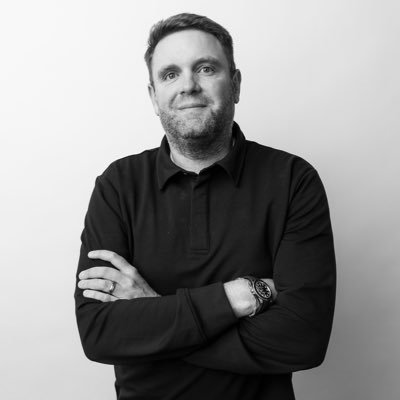
Tyler Hogge's Captain Ventures Launches $33M Seed Fund I
TL;DR
Captain Ventures, the seed-stage firm founded by former Pelion Venture Partners GP Tyler Hogge, is live with Fund I at roughly $33 million, closed in a single rolling close after 100+ pitches to 100+ LPs over 100 days — about a third of the 9.2-month fastest-quartile close time PitchBook reports for the median VC fund. The firm is deliberately built as a non-competitive co-investor: it never leads rounds, targets 25-30 investments at an average check of $750k into first- and second-round seed deals, and explicitly positions itself as the fund other GPs call first when they need help winning a competitive round. It matters because Hogge is a known, credentialed operator-turned-investor from the Divvy/BILL and Pelion ecosystem launching with real institutional and marquee-individual backing, at a moment when plenty of solo-GP debut funds are struggling to get out the door at all.
Key Takeaways
A 100-day, single rolling close is an unusually fast fundraise, and the speed is itself a credibility signal. PitchBook's Q3 2025 data (cited directly in the firm's own announcement) puts the median fund close at 17.4 months and the fastest quartile at 9.2 months. Closing in roughly three months on a first institutional fund, without a slow drip of periodic closes, suggests LP demand was real and pre-existing rather than manufactured over a long, uncertain process.
The "never lead, always co-invest" structure is a genuinely different playbook than most seed funds. By explicitly telling other GPs he'll help them win competitive rounds in exchange for a non-lead allocation, Hogge is trading a portion of ownership and control for access and speed. It's a structure built around a $30 million target fund size that doesn't need to lead to return the fund, which is a real strategic choice, not just modesty.
Hogge's operator-and-investor dual track record is unusually strong for a debut solo-GP fund. SVP of Product and Risk at Divvy through its $2.5 billion acquisition by BILL, product roles at Wealthfront, a Clearwater Analytics sales leadership run through its IPO, and then two-plus years as a Partner at Pelion sourcing and leading Seed and Series A deals is a rare combination of scaled-company operating experience and institutional investing reps before a first fund.
The founder's own capital commitment is a meaningful alignment signal. Hogge states he is already one of Captain Ventures' largest individual LPs and intends to become the largest. A GP with that much personal capital at risk in a $33 million fund has a different incentive structure than a typical 2-and-20 manager collecting fees on other people's money, which is likely to resonate with founders evaluating which check to take.
Fund Overview
Fund Name: Captain Ventures Fund I
Fund Size: ~$33 million (target was $30 million; closed via a single rolling close)
Stage: Seed, primarily the first two rounds a company raises, occasionally later
Check Size: Average of ~$750k per investment, ranging smaller to larger
Geography: No stated geographic restriction; firm is based between Salt Lake City and San Francisco
Focus: Sector-agnostic, founder-first seed investing; a structural commitment to never lead rounds and to co-invest alongside other GPs
Key LPs: Not individually named; described by the firm as "many of the world's best founders, investors, funds, and most successful families," assembled across 100+ LP conversations
Why This Fund Matters
The solo-GP seed fund market has gotten considerably harder over the past two years. LPs that were happy to back first-time rolling funds during the 2021 boom have gotten far more selective, and plenty of experienced operators with genuine founder relationships have struggled to close even modest first funds. Against that backdrop, a $33 million close in roughly 100 days, on a fund that closed above its own $30 million target, is a real data point about which debut managers can still command LP demand: ones with a specific, differentiated structural thesis and a verifiable track record, not just a strong network.
The non-lead, always-co-invest structure is the most interesting strategic choice in this launch. Most seed funds are built to lead rounds and set terms, because ownership and information rights compound in value over a fund's life. Hogge is explicitly trading that for speed, access and lower competitive friction: by promising other GPs he'll help them win competitive deals rather than compete with them for the lead slot, he's positioning Captain Ventures as complementary capital that founders and lead investors both want in the round. At a $30-33 million fund size, this is a coherent strategy, since the fund doesn't need large ownership stakes to return meaningful multiples if it consistently gets access to the right companies.
Hogge's own framing, that "the hardest thing, the most rare thing, is to invest in an exceptional startup" and that ownership is secondary to access, is a bet that access and founder relationships are the scarcer resource in seed investing right now, not capital or deal terms. That's a defensible read of a market where the best seed rounds are frequently oversubscribed by desirable investors competing to get in, rather than founders struggling to find any capital at all.
The track record underpinning the fund is real, if still early: Hogge ran an angel vehicle, Kindling Capital, from 2021 through his move to Pelion, deploying roughly $500k into 25-plus companies, several of which he says are shaping up well. That's a meaningfully longer runway of individual decision-making than most first-time institutional managers can point to, and it appears to be a substantial part of what got 100-plus LPs to say yes in three months.
The Team
Tyler Hogge is founder and general partner of Captain Ventures, and currently the firm's only investment professional; he has said he intends to build out a team over time. Before starting Captain, Hogge was a Partner at Pelion Venture Partners, a Salt Lake City-based, 20-year, seven-fund firm with a track record that includes Riverbed Technologies, Cloudflare and Divvy, where he led Seed and Series A investments including Vector (defense tech, $61 million Series A) and Honey Health.
Before Pelion, Hogge led the product and risk organization at Divvy as SVP of Product through its $2.5 billion acquisition by BILL in 2021, held product roles at Wealthfront, interned at Andreessen Horowitz in 2015, and led sales and customer success at Clearwater Analytics (NYSE: CWAN) prior to its 2021 IPO. He holds a finance degree from Southern Utah University, where he captained the Division I baseball team, an MBA from Cornell, and is a CFA Charterholder. Between leaving Divvy and joining Pelion, he ran an angel investing vehicle, Kindling Capital, deploying roughly $500k across more than 25 companies including Nursa, Neighbor, Seis and Flexport.
What This Means for Founders
Captain Ventures is built for founders who already have, or are actively building, a lead investor and want an additional, highly engaged check that won't compete for the lead slot or push for outsized ownership. Hogge's explicit pitch is speed of response, hands-on help with customer introductions and next-round fundraising, and a founder-first posture backed by his own operating scars from Divvy's growth and acquisition.
Founders who specifically need a lead investor to anchor a round, or who want a single large institutional check to set terms, are not the target fit here; Captain is structurally a complementary, non-lead participant. For companies raising their first or second round with another lead already lined up, or in the process of being lined up, it's worth reaching out directly, since the firm's stated strategy is to be the fund other investors call in to help them close.
Fund Momentum Take
This is one of the more disciplined debut-fund launches we've seen this year, precisely because the fund size, check size and non-lead structure are all internally consistent with each other rather than being a smaller version of a traditional lead-check seed fund. A $30-33 million fund that explicitly doesn't need to lead or maximize ownership to work is a genuinely different risk profile than most first-time funds, and Hogge's own framing of the tradeoff, choosing collaboration and access over control, reads as a deliberate strategic bet rather than a consolation prize for not raising a bigger fund.
The open question, as with any solo-GP fund, is durability past Fund I. Hogge is currently the entire investment team, and the co-invest strategy depends heavily on his personal relationships with the specific GPs who'll bring him into rounds. That's a real asset today, built over 15 years of operating and angel-investing relationships, but it's also a single-person dependency that a two- or three-partner fund doesn't carry to the same degree.
Our bet is that the structural choice here, small fund, high check-size discipline, explicit non-competitive posture toward other GPs, is well-suited to the current seed environment, where the best rounds are oversubscribed and lead investors are actively looking for value-additive, non-threatening co-investors to fill out a round. If Hogge's access holds up as he scales past his existing network, Fund II will be the real test of whether this is a repeatable model or a product of one unusually well-connected launch.
Frequently Asked Questions
How big is Captain Ventures' Fund I?
The fund closed at approximately $33 million, above its $30 million target, via a single rolling close completed in roughly 100 days.
What stage and check size does Captain Ventures invest at?
The firm invests at seed stage, typically in a company's first two funding rounds, with an average check size of about $750,000, ranging both smaller and larger depending on the opportunity.
Does Captain Ventures lead investment rounds?
No. The firm has structured itself to never lead rounds, instead co-investing alongside other VCs that lead, positioning itself as a non-competitive, complementary check that other GPs can bring in to help win competitive deals.
Who runs Captain Ventures?
Tyler Hogge, founder and general partner, previously a Partner at Pelion Venture Partners and before that SVP of Product and Risk at Divvy through its $2.5 billion acquisition by BILL. He is currently the firm's sole investment professional.
How many investments does Captain Ventures plan to make from Fund I?
The firm plans to make 25 to 30 investments from Fund I.
Have a fund closing to announce? Submit your fund here.
Need help raising capital? Check out our Fundraising Advisory services.
Related funds in the index
Seed funds from the verified index
| Fund | Size | Stage | Location | Focus |
|---|---|---|---|---|
| Anorak Ventures Fund III, | $35M USD | Seed | United States | |
| venture arm of Seligman Investments | $1B USD | Seed | United States | |
| Sofinnova MD Start Fund IV | €82M EUR | Seed | United States | |
| IITM Unicorn Frontier Fund I | Rs 1,000 crore target | Seed | India | |
| Captain Ventures Fund I | ~$33 million USD | Seed | United States |