
P101 Absorbs PranaVentures in Italy's First VC Consolidation, Launches €100M Prana101
TL;DR
Italian venture firm P101 SGR has integrated PranaVentures, a seed-stage specialist, in what both parties are calling the first true consolidation deal in Italy's venture capital market. The combined platform manages more than €600 million in assets, spans more than 80 active portfolio companies that generated roughly €2 billion in 2025 revenue, and is now raising Prana101, a €100 million pre-seed and seed fund targeting a first close by year-end. P101's Andrea Di Camillo keeps overall control, while PranaVentures founder Lisa Di Sevo and partner Guido Giordano continue to run the seed strategy. The ambition, stated openly, is to push past €1 billion in AUM and build a European-scale Italian VC.
Key Takeaways
This is M&A coming to the VC layer, not just the portfolio layer. European venture firms talk about consolidation constantly but rarely execute it. P101 absorbing PranaVentures is a rare example of a GP buying another GP to acquire a capability, here, a dedicated seed engine, rather than simply raising a bigger fund and hiring.
P101 buys its way down the stack. P101 has historically been an early-growth and Series A player; PranaVentures brings genuine pre-seed and seed muscle built since 2021. Rather than learning seed the hard way, P101 acquired an operating team that already does it well, instantly making the platform a full-lifecycle investor.
The AI-efficiency thesis is doing real strategic work here. Di Sevo's framing, that AI has cut early-stage capital needs by up to 70% while multiplying execution speed, is the explicit rationale for owning the seed stage: when company-building gets cheaper and faster, the firm that is closest to founders earliest captures the most option value.
Scale is now the explicit goal of Italian VC. The €1 billion AUM ambition is a statement that Italy intends to field platforms that can compete at European level, not just write local cheques. Consolidation is the mechanism to get there faster than organic fundraising allows.
Fund Overview
Fund Name: Prana101 (first fund of the combined platform)
Fund Size: €100 million target; first close expected by year-end 2026
Stage: Pre-seed and seed
Check Size: Seed-stage entry, with follow-on capability through P101's later-stage vehicles
Geography: Italy and broader Europe
Focus: Founders building at the frontier of AI, next-generation digital infrastructure, and innovative software and services for businesses and consumers
Platform AUM: More than €600 million combined, with a stated ambition to exceed €1 billion over time
Why This Fund Matters
Italy's venture ecosystem has matured quickly but remains structurally fragmented, with many sub-scale funds that struggle to follow their winners into later rounds and end up watching their best companies get led by foreign investors at Series A and beyond. The P101–PranaVentures combination is a direct response to that fragmentation. By merging a seed specialist into an early-growth platform, the new entity can in principle own a founder relationship from the first cheque through international scale-up, keeping the follow-on economics, and the influence, in Italy.
The deal is notable less for its size than for its form. European GPs almost never consolidate; the incentives, fund-level economics, carry vesting, and founder-investor egos usually make GP-on-GP M&A impractical. Pulling it off in Italy, a market not previously known for venture innovation, is a genuine first and a potential template for other fragmented European ecosystems where a dozen sub-€100 million funds would be more competitive as three or four €500 million platforms.
The strategic logic also rides a specific macro bet. If AI really has compressed the capital and time required to build early-stage companies, then the seed stage becomes both cheaper to play and more valuable to own, because the earliest investor captures the most ownership before valuations re-rate. A platform that can deploy small, fast seed cheques and then follow on aggressively from a €600M+ base is well-shaped for exactly that environment.
There is also a defensive read. As US and pan-European megafunds push down into European seed, local firms either build scale and full-lifecycle capability or get disintermediated. P101 is choosing to build scale through acquisition, which is faster than the alternative of raising successively larger funds over a decade.
The Team
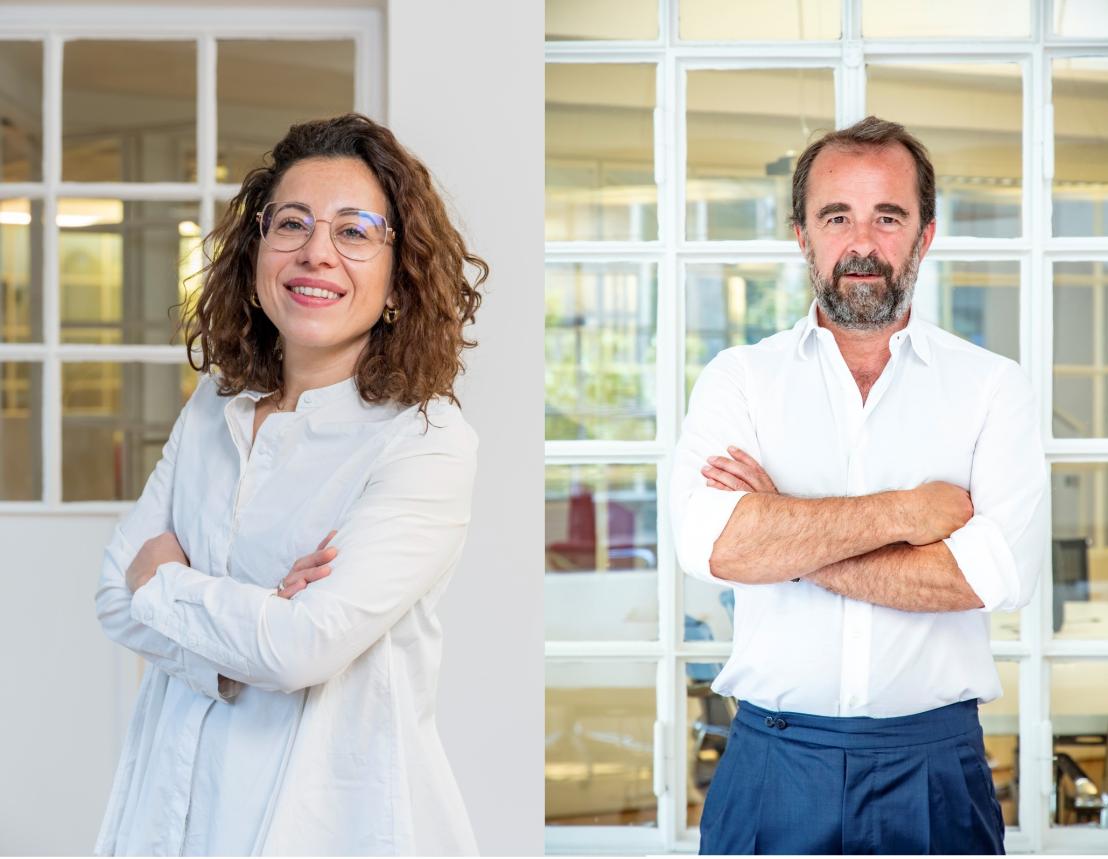
The combined platform is led by Andrea Di Camillo, founder and managing partner of P101 SGR, who retains overall control and articulated the €1 billion AUM ambition. Critically, the seed strategy stays in the hands of the people who built it: Lisa Di Sevo, founder of PranaVentures, continues to lead seed investing alongside partner Guido Giordano. That continuity matters, because the most common failure mode in GP consolidation is the acquired team losing autonomy and walking, taking the very capability the deal was meant to buy. Keeping Di Sevo and Giordano in charge of the seed engine, with the same hands-on, operationally heavy model PranaVentures has run since 2021, is the structural choice that gives this integration a real chance of working.
Early Portfolio
The combined platform already holds more than 80 active companies, which together generated approximately €2 billion in aggregate revenue in 2025 and employed over 5,500 people, a portfolio scale that gives the new Prana101 fund a deep base of follow-on opportunities and pattern data from day one. P101's existing book spans Italian and European technology companies across software, fintech, and the future of work, while PranaVentures contributes its seed-stage roster built since 2021.
What This Means for Founders
For Italian and European pre-seed and seed founders, the pitch is straightforward and compelling: one relationship that can fund you from your first institutional round through international scale-up, with a seed team that is operationally hands-on and a growth platform that can keep writing cheques as you grow. That continuity removes one of the most painful frictions in European venture, the need to re-pitch a new lead at every stage and risk a down or flat round because your early backers cannot follow on.
The caution for founders is concentration of power. Taking seed money from a platform that also controls your likely Series A lead gives that platform significant leverage in future rounds and on terms. Founders should value the follow-on capability while being clear-eyed about information rights, pro-rata expectations, and what happens if the platform decides not to follow on, a signal that can chill other investors. As always, optionality is worth protecting even when one-stop capital is convenient.
Fund Momentum Take
We think this is one of the more interesting structural moves in European venture this year, precisely because it is about firm-building, not fund-raising. The hard problem in European VC is not capital; it is scale and full-lifecycle capability. P101 has chosen to solve it through acquisition, which is faster and, if integration holds, more durable than grinding out ever-larger funds. The decision to keep the PranaVentures founders in charge of seed is the single smartest part of the deal and the main reason we would bet on it working.
The risks are real and familiar from corporate M&A. Cultural integration between a growth-stage platform and a scrappy seed team is hard; carry economics across two formerly independent GPs can breed resentment; and "owning the whole lifecycle" can quietly become a conflict machine, where the platform's incentive to protect its later-stage marks colours its seed decisions. The €100 million Prana101 target is also just that, a target, with first close only expected by year-end, so execution risk on the raise itself remains until the money is in.
Our bet: if P101 closes Prana101 on or near target and retains the PranaVentures team through the first full investment cycle, this becomes the reference model for European VC consolidation, and we would expect copycat deals in Spain, the Nordics, and the DACH region within 24 months. If the seed team drifts or the raise stalls, it will be remembered as a cautionary tale about why GPs rarely merge. We lean optimistic, but Fund II and team retention are the metrics that will settle it.
Frequently Asked Questions
What exactly did P101 and PranaVentures announce?
P101 SGR has integrated PranaVentures, a seed-stage VC, into a single platform, described as the first consolidation deal in Italy's venture capital market. The combined firm manages over €600 million and is launching a new €100 million seed fund, Prana101.
How big is the new Prana101 fund and what does it back?
Prana101 targets €100 million with a first close expected by year-end 2026. It invests at pre-seed and seed in Italian and European startups focused on AI, next-generation digital infrastructure, and software and services for businesses and consumers.
Who leads the combined platform?
Andrea Di Camillo, founder and managing partner of P101 SGR, leads overall. The seed strategy continues under PranaVentures founder Lisa Di Sevo and partner Guido Giordano.
Why is this deal significant for European VC?
GP-level consolidation is extremely rare in Europe. This is a notable example of a venture firm acquiring another firm to add a capability (seed) and build scale, potentially a template for other fragmented markets.
What is the long-term ambition?
The platform has openly stated it aims to surpass €1 billion in assets under management over time and to support founders from pre-seed through international scale-up.
Have a fund closing to announce? Submit your fund here.
Need help raising capital? Check out our Fundraising Advisory services.
Related funds in the index
Seed funds from the verified index
| Fund | Size | Stage | Location | Focus |
|---|---|---|---|---|
| Anorak Ventures Fund III, | $35M USD | Seed | United States | |
| venture arm of Seligman Investments | $1B USD | Seed | United States | |
| Sofinnova MD Start Fund IV | €82M EUR | Seed | United States | |
| IITM Unicorn Frontier Fund I | Rs 1,000 crore target | Seed | India | |
| Captain Ventures Fund I | ~$33 million USD | Seed | United States |