
Orbit Capital Closes €107M Growth Debt Fund II for CEE Scaleups
TL;DR
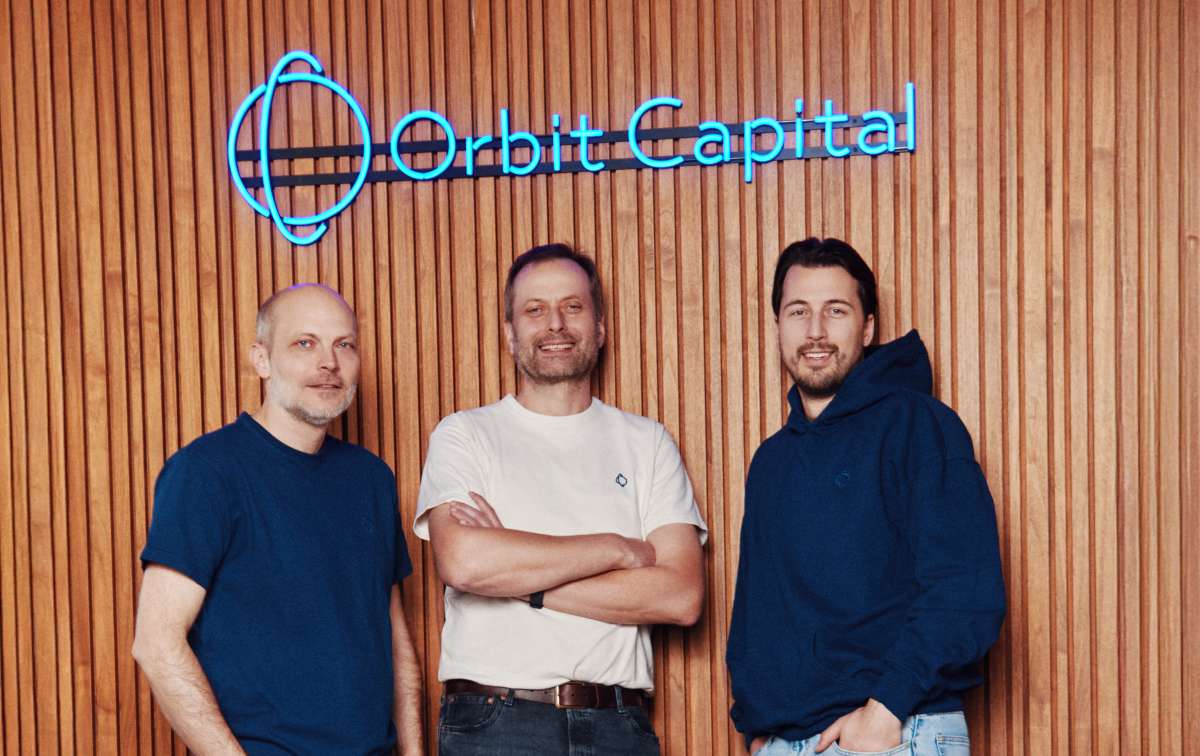
Prague- and Warsaw-based Orbit Capital has closed its Growth Debt Fund II at €107 million, beating its €100 million target and cementing its position as the leading dedicated venture debt platform in Central and Eastern Europe. The second closing adds PFR Ventures - Poland's state fund of funds - as a €10 million LP making its first-ever venture debt commitment, joining anchor investors EIF, Česká spořitelna/Erste, Rentea and Conseq. The fund writes €3-15 million non-dilutive tickets for post-Series A companies with at least €3 million in revenue and 30%+ growth, and has already deployed into five companies including Sloneek, IAG and Talkin' Things.
Key Takeaways
CEE venture debt is graduating into an institutional asset class. PFR Ventures' first venture debt allocation - with plans to steer roughly 20% of its Innovate Poland programme into debt strategies - is the strongest institutional endorsement the regional asset class has received. When state FoFs build dedicated debt allocations, a permanent capital layer is forming.
Beating target in this market is a statement. European fundraising in 2026 rewards incumbents with DPI and punishes everyone else. Orbit surpassing €100M - after a €70M first close in June 2025 - suggests LPs see venture debt's downside protection as the right instrument for a region where equity exit markets remain shallow.
Non-dilutive capital matters most exactly where valuations are lowest. CEE scaleups raise equity at persistent discounts to Western European peers, making dilution disproportionately expensive. A €3-15M debt ticket that funds expansion or acquisitions without repricing the cap table is worth more in Prague or Warsaw than in London.
Speed of deployment cuts both ways. Five investments before final close shows real demand, but venture debt returns are made by credit discipline in the bad years, not origination volume in the good ones. Orbit's underwriting bar - €3M+ revenue, 30% growth - will be tested when the cycle turns.
Fund Overview
Fund Name: Orbit Capital Growth Debt Fund II (Venture Debt Fund II)
Fund Size: €107M (second closing, above €100M target)
Stage: Post-Series A scaleups; minimum €3M revenue, 30%+ YoY growth
Check Size: €3-15M
Geography: Central and Eastern Europe, extending into DACH
Focus: Non-dilutive growth debt for technology companies - international expansion, acquisitions, working capital, capex
Key LPs: EIF, Česká spořitelna/Erste, Rentea, Conseq, PFR Ventures (€10M)
Why This Fund Matters
Venture debt penetration in CEE has lagged Western Europe by years - the region produced Rohlik, UiPath and a genuine scaleup cohort, but its founders have had almost no domestic alternative to dilutive equity or bank credit designed for asset-heavy borrowers. Orbit was founded in 2019 to fill precisely that gap, and Fund II at €107M roughly doubles the firm's capacity to do so. With over €200M in AUM across debt and growth equity vehicles, it is now the reference platform for the instrument in the region.
The LP composition tells the structural story. EIF anchoring both closings extends its long-running strategy of seeding underdeveloped financing markets. But PFR Ventures entering the asset class is the more consequential signal: Poland's state fund of funds has effectively declared venture debt a permanent fixture of the CEE capital stack, with a stated intention to allocate around a fifth of its Innovate Poland budget to debt strategies. Regional scaleups - and competing fund managers - should read that as the opening of a durable funding channel.
Macro conditions have quietly turned in venture debt's favor. Equity rounds in CEE still price at a discount, IPO windows remain narrow, and founders who survived the 2022-24 repricing are structurally allergic to dilution. Meanwhile higher base rates make the lender economics attractive. The tension to watch: venture debt works beautifully for companies with predictable revenue growth and fails expensively for everyone else. Orbit's stated criteria are sensible guardrails, but the CEE market is small enough that origination pressure on a doubled fund could tempt underwriting drift.
The Team
Orbit Capital has been led since inception by founder Radovan Nešrsta, with a partner group spanning both offices: Lukáš Macko in Prague, and Wiktor Namysł and Jerzy Rozłucki in Warsaw. Rozłucki brings over two decades of credit experience, including heading private debt and equity at PZU Group, one of the region's largest financial institutions - exactly the credit-underwriting DNA a scaling debt platform needs. The firm has backed more than 20 companies across its vehicles, including CEE flagship names Rohlik, Twisto and Jutro Medical.
Early Portfolio
Fund II has completed five investments to date: Czech HR-tech platform Sloneek, Czech company IAG, and Polish smart-packaging firm Talkin' Things among them, with tickets supporting international expansion and working capital.
What This Means for Founders
If you run a post-Series A technology company in CEE or DACH with €3M+ in annual revenue and 30%+ growth, Orbit now offers the region's deepest pool of non-dilutive growth capital - relevant for extending runway between rounds, funding an acquisition, or bridging to profitability without repricing your equity. The practical math: a €5M debt facility at a low point in your valuation cycle can preserve ownership worth multiples of its cost at exit.
Venture debt is not free money, and founders should model the downside honestly: covenants, warrants and repayment schedules bite hardest exactly when growth stalls. The right time to raise debt is when you do not desperately need it - which is also when Orbit's underwriting will say yes.
Fund Momentum Take
Orbit is executing a classic category-creation playbook: be first, be institutional, and let the state-backed LPs ratify the asset class around you. Surpassing target with PFR Ventures aboard does exactly that, and the firm's dual debt-plus-growth-equity structure gives it a flexibility most Western venture debt monolines lack. We would not be surprised to see Fund III materially larger, or Western European lenders finally waking up to the region Orbit has had largely to itself.
Two caveats temper the enthusiasm. First, this is debt, not equity - a €107M fund's ceiling is steady yield plus warrants, so its systemic importance to the CEE ecosystem exceeds its headline return potential. Second, the fund's success depends on a CEE scaleup pipeline that still produces too few companies clearing the €3M-revenue, 30%-growth bar; Orbit is effectively long the entire region's maturation. We think that is the right long to be, but it is a bet on the ecosystem as much as on the manager.
Frequently Asked Questions
What is Orbit Capital's Growth Debt Fund II?
A €107 million venture debt fund closed in July 2026 by Prague- and Warsaw-based Orbit Capital, exceeding its €100M target. It lends €3-15M to post-Series A tech companies across CEE.
Who are the fund's investors?
Anchor LPs include the European Investment Fund, Česká spořitelna/Erste, Rentea and Conseq, with PFR Ventures - Poland's state fund of funds - committing €10M in its first-ever venture debt allocation.
What companies qualify for Orbit's financing?
Post-Series A technology companies with proven product-market fit, at least €3M in annual revenue and minimum 30% year-over-year growth, primarily in CEE and DACH.
How is venture debt different from equity funding?
Venture debt provides growth capital without diluting ownership, repaid with interest and typically small warrant coverage. It suits companies with predictable revenue that want to extend runway or fund expansion between equity rounds.
What has Orbit Capital invested in?
Across its vehicles the firm has backed 20+ companies including Rohlik, Twisto and Jutro Medical; Fund II's first five deals include Sloneek, IAG and Talkin' Things.
Have a fund closing to announce? Submit your fund here.
Need help raising capital? Check out our Fundraising Advisory services.
Related funds in the index
Growth funds from the verified index
| Fund | Size | Stage | Location | Focus |
|---|---|---|---|---|
| Eastend Ventures Fund I | A$30M AUD | Growth | United States | |
| Protego Ventures Fund I | $125 million USD | Growth | Israel | |
| Bessemer Venture Partners | $5.75 billion combined, raised in a single close USD | Growth | Israel | |
| Bain Capital Ventures' newest flagship fund | $1.6B USD | Growth | United States | |
| Portage Ventures Fund IV | $600M USD | Growth | Global |