
Magnify Ventures Closes $46.6M Fund II for Care Economy AI
TL;DR
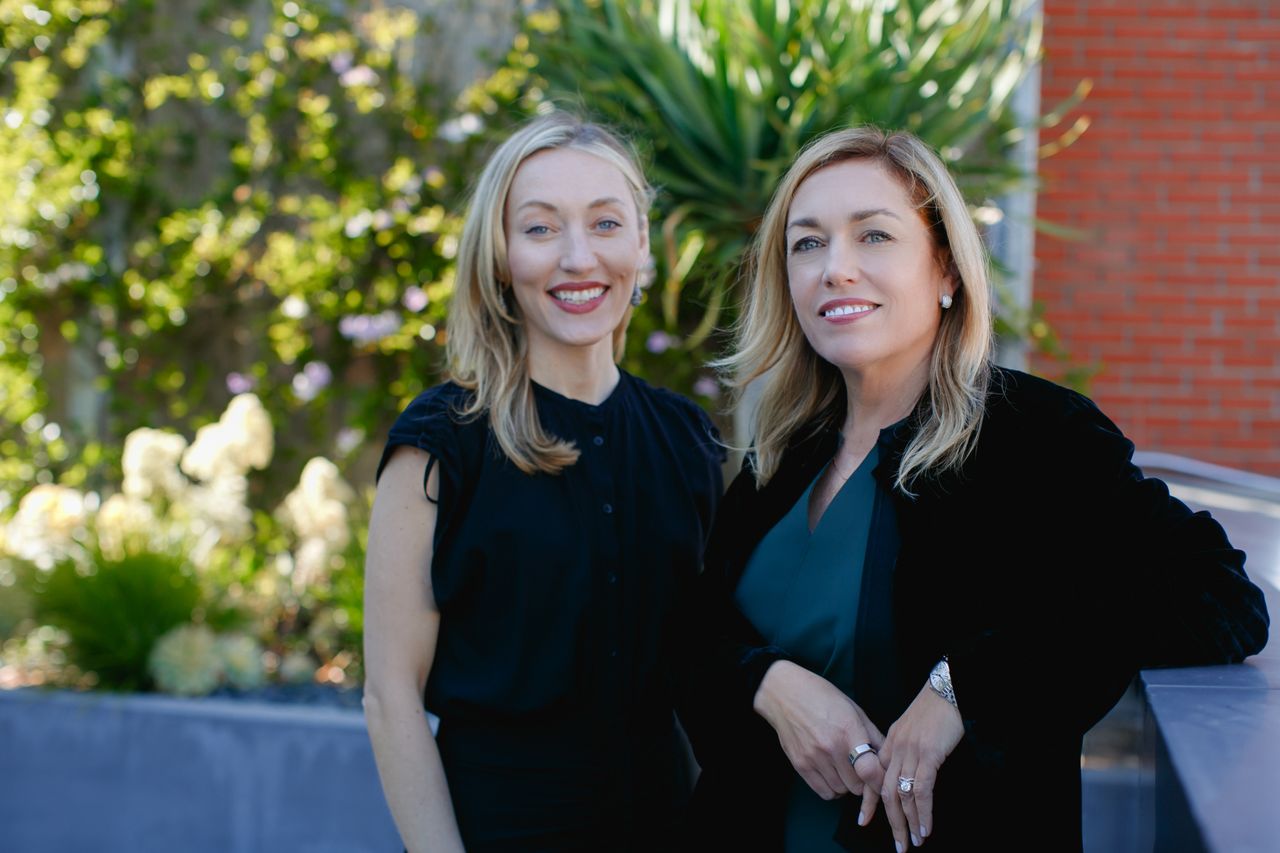
Magnify Ventures, the Santa Monica early-stage firm run by co-founders Joanna Drake and Julie Wroblewski, has closed Fund II at $46.6 million to back what it calls the AI infrastructure layer of the care economy - the systems behind health, wealth, and family care. Melinda French Gates' Pivotal Ventures returned as an anchor, joined by new LPs Jordan Park and Unum, with financing support from California's IBank. The close brings Magnify to roughly $100 million across two funds and cements it as the most focused institutional investor in a category the firm sizes at $648 billion.
Key Takeaways
Category ownership is the strategy. Magnify is not a generalist with a care-economy pocket; it is the reference investor for the category, having launched the Care Summit in 2024 and co-authored the care economy's first comprehensive VC landscape data alongside Pivotal. When a category inflects, the firm that defined it sees every deal first.
The AI angle reframes a hard category. Care has historically been a brutal venture market: labor-intensive, thin-margin, reimbursement-dependent. Fund II's thesis is that AI finally changes the unit economics - agents for household operations, care navigation, and family finances. That converts a services problem into a software opportunity, which is what the category always lacked.
A slightly smaller Fund II is honest, not weak. Fund II's $46.6M sits just below Fund I's $52M. In this LP market, specialist firms that right-size rather than stretch are protecting ownership math and follow-on discipline. The return of Pivotal as an anchor - having seen Fund I's portfolio from the inside - is the stronger signal.
Strategic LPs signal where the exits are. Unum, a Fortune 500 employee-benefits insurer, joining as an LP points at the likeliest buyers and distribution channels for care infrastructure: insurers, benefits platforms, and employers. California IBank's involvement adds a public-capital layer that mirrors the state's caregiving policy agenda.
Fund Overview
Fund Name: Magnify Ventures Fund II
Fund Size: $46.6M
Stage: Pre-seed and seed
Check Size: $250K to $2M
Geography: United States
Focus: AI infrastructure for the care economy - health, wealth, and family care, spanning AI for the home, care navigation, family fintech, longevity, assistive robotics, and aging-in-place technology
Key LPs: Pivotal Ventures (returning), Jordan Park, Unum, with financing from California IBank
Why This Fund Matters
The care economy has been the perennial "next big thing" that never quite arrived in venture. The demographics were always right - aging populations, shrinking family caregiver ratios, childcare scarcity - but the business models weren't. Marketplace and services startups in care repeatedly hit the same wall: high labor costs, low margins, and customers stretched too thin to pay. Magnify's Fund II thesis is that AI breaks that pattern by attacking the coordination and administration layer rather than the labor itself.
The market data backs the inflection claim more than skeptics might expect. Per the firm's announcement, venture interest in the care economy has accelerated 45% over the last four years, with more than $26 billion invested across 700+ companies since 2015. That is still a rounding error against the $648 billion opportunity Magnify cites spanning pregnancy through end-of-life care - which is precisely the asymmetry an early-stage specialist wants.
What makes Magnify structurally interesting is the ecosystem position. The firm co-founded RAISE Global, the LP-emerging manager platform, a decade ago, launched the Care Summit in 2024 as the category's first dedicated convening, and co-produces the care economy landscape research with Pivotal and The Holding Co. That is deal flow infrastructure most sub-$50M funds cannot replicate, and it functions as a moat in a category where the best founders self-select toward the specialist.
The honest risk: category funds live and die with the category. If care-economy AI consolidates into features of horizontal platforms - if the household agent ends up being ChatGPT rather than a dedicated startup - a vertical thesis loses its edge. And pre-seed checks of $250K to $2M mean Magnify needs meaningful ownership early and disciplined reserves to matter in later rounds it cannot lead.
The Team
Co-founders and Managing Partners Joanna Drake and Julie Wroblewski founded Magnify in 2021 and closed a $52 million Fund I in 2022, also anchored by Pivotal Ventures. Both have spent their careers at the intersection of venture and the care sector, and their ecosystem-building record - RAISE Global, the Care Summit, the category's landscape research - is the firm's calling card. Marie Drez serves as Chief Financial Officer. The team is deliberately compact: two investing partners, which at this fund size keeps decision speed high and ownership concentrated.
Early Portfolio
Magnify's portfolio across its funds includes Papa (companionship and care for older adults), Alix (AI-powered estate settlement), MiSalud (digital health for Hispanic families), Nolia Health (insurance-covered family caregiver support), Quo Labs (AI caretakers for the elderly), Savi Security (protection against AI-generated scams targeting consumers), EveryGene (hospital-grade genetic testing), Peak Health (longevity-focused precision medicine), Joy (parenting resources), and Common Sense Privacy. Fund I also backed childcare marketplace Kinside and family fintech Till Financial.
What This Means for Founders
If you are building AI infrastructure for households, care navigation, family finances, longevity, or aging-in-place, Magnify is the highest-signal first call in the category - not just for the check but for the LP and customer network behind it. Pivotal's dual GP/LP presence in the care economy, and Unum's position in employee benefits, mean a Magnify term sheet comes with plausible distribution introductions, not just capital. The sweet spot is pre-seed and seed rounds where a $250K to $2M check leads or strongly anchors.
Come with a thesis about why AI changes your segment's unit economics, not just a care-adjacent consumer app. The firm's language - infrastructure layer, systems families depend on - telegraphs a preference for picks-and-shovels over direct-to-consumer services, which is where the category's previous generation struggled.
Fund Momentum Take
This is what a durable specialist franchise looks like at small scale. Magnify has spent five years converting a soft, unfashionable category into an institutional thesis with proprietary data, a proprietary convening, and the category's most strategic anchor LP. The $46.6M size is right for the stage it plays at; the interesting question is whether the firm can hold its category-definer position as generalist capital floods in behind the AI narrative.
Our bet: the care economy's AI moment is real but will be won at the infrastructure layer - eligibility, coordination, payments, navigation - rather than in consumer agents, and that is exactly where Magnify is aimed. The step-down from Fund I's $52M will be forgotten if even one portfolio company becomes the system of record for family care; the LP composition suggests the acquirers are already at the table. Watch whether Fund II's pace stays disciplined through 2027 - small specialist funds get hurt when they start competing with generalists on price rather than access.
Frequently Asked Questions
How large is Magnify Ventures Fund II?
Fund II closed at $46.6 million, bringing Magnify's total capital across two funds to roughly $100 million. Fund I closed at $52 million in 2022.
Who are Magnify Ventures' LPs?
Melinda French Gates' Pivotal Ventures returned as an anchor investor, joined by new LPs Jordan Park and Unum, with financing support from California's Infrastructure and Economic Development Bank (IBank).
What does Magnify Ventures invest in?
Pre-seed and seed companies building AI infrastructure for the care economy across health, wealth, and family care - including AI for the home, family fintech, longevity, assistive robotics, and aging-in-place technology, with checks of $250K to $2M.
Who runs Magnify Ventures?
Co-founders and Managing Partners Joanna Drake and Julie Wroblewski, who founded the firm in 2021. They also launched the Care Summit and co-founded RAISE Global.
How big is the care economy market?
Magnify cites a $648 billion opportunity spanning pregnancy through end-of-life care. Per the firm's data, more than $26 billion in venture capital has gone into 700+ care economy companies since 2015.
Have a fund closing to announce? Submit your fund here.
Need help raising capital? Check out our Fundraising Advisory services.
Related funds in the index
Pre Seed · AI/ML funds from the verified index
| Fund | Size | Stage | Location | Focus |
|---|---|---|---|---|
| AIP Seed | $40M USD | Pre Seed | Poland | AI/ML, FinTech +3 |
| Worldbuild Fund I | $30M USD | Pre Seed | United States | Data Infrastructure, AI/ML +3 |
| Haystack Fund VIII | $85M USD | Pre Seed | United States | Consumer & Commerce, Cloud & DevOps +3 |
| Z_One | €55M EUR | Pre Seed | Italy | AI/ML, Built Environment |
| Magnify Ventures Fund II | $46.6M USD | Pre Seed | United States | Digital Health, AI/ML +1 |