
Jeito Capital Closes €1 Billion Jeito II, Europe's Largest Independent Biopharma Venture Fund Ever
TL;DR
Paris-based Jeito Capital has closed its second biopharma fund, Jeito II, at roughly €1 billion ($1.2 billion), blowing past target and quietly becoming the largest independent European biopharma-dedicated venture vehicle ever raised. The fund will back 15 to 20 clinical-stage companies in obesity, oncology, immunology, neurology and cardio-metabolic disease, writing average tickets of around €150 million and going toe-to-toe with the Novo Holdings, Forbion and Sofinnova tier. Jeito I already generated exits to Merck and Biogen totalling up to $4.8 billion in roughly two years, which is why LPs queued up despite a brutal biotech tape.
Key Takeaways
Europe finally has its own billion-euro biotech venture anchor. For years European biotech founders have complained that crossing the Series C and Series D chasm meant flying to Boston or selling into a US-led syndicate. Jeito II changes that math: with €150 million per portfolio company on tap, Jeito can lead or co-lead the same rounds Arch, RA and Foresite routinely anchor, without diluting European governance or board composition.
The fund closed into one of the worst biotech environments in a decade. BioPharma Dive's own tracker shows Q1 2026 biotech venture funding fell to roughly $3.2 billion, down from $4.8 billion in Q1 2025. Against that backdrop, hitting €1 billion and coming in above target is a statement about franchise strength, not a rising-tide outcome. LPs are clearly still willing to write $100M+ tickets for managers with proof of DPI.
The patent cliff is the unspoken thesis. Loss of exclusivity on blockbuster drugs could vaporize an estimated $400 billion of pharma revenue by 2033, with more than 70% of novel approvals now originating in small biotechs rather than inside big pharma labs. Jeito II is, in effect, a leveraged bet on pharma's inability to refill its own pipeline, with every late-stage asset becoming a forced-buyer negotiation.
Jeito's exit velocity is the real moat. Acquisitions by Merck (EyeBio, up to $3B) and Biogen helped the firm return capital in an average of 24 months, a cycle time almost unheard of in biotech. That is what convinced EIB, national development agencies, global pharma strategics, pension funds, family offices and endowments across Europe, North America and Asia to back Jeito II.
Fund Overview
Fund Name: Jeito II
Fund Size: $1.2 billion (above €1 billion), above target
Stage: Clinical-stage biopharma (primarily Phase 1b through Phase 3)
Check Size: Up to an average of €150 million per portfolio company over the life of the investment
Geography: Primarily European companies, with transatlantic flexibility
Focus: Breakthrough therapies for severe diseases with high unmet medical needs, particularly obesity, oncology, immunology, neurology, reproductive medicine and cardio-metabolic disease
Key LPs: European Investment Bank, national development agencies, global pharmaceutical strategics, large insurers and asset managers, public and private pension funds, prominent family offices, major foundations and university endowments, commercial and investment banks from Europe, North America and Asia
AUM after close: Tripled to roughly €1.6 billion, from €534 million at Jeito I
Why This Fund Matters
Independent European biopharma venture has historically been a thin layer. Sofinnova Partners, Forbion, Medicxi, Kurma and a handful of others have scaled, but most European funds stall around €300 to €500 million, which caps the size of bets they can lead and pushes their best companies into US-led syndicates early. Jeito II is the first fully independent European biopharma-focused vehicle to cross the €1 billion mark, and by deliberately concentrating into 15 to 20 names it is built to be the lead institutional shareholder, not a co-investor along for the ride.
The timing is counterintuitive. Biotech as an asset class is in a drawdown. Public XBI is well off its highs, IPO windows have been intermittently closed for three years, and many crossover funds that anchored 2020 to 2021 biotech rounds have either wound down or gone quiet. Every dollar that still flows to biopharma venture in this tape is a vote for a specific manager rather than the asset class. For Jeito to close above a €1 billion target in this market signals that LPs are treating clinical-stage biotech as a stockpickers' game, and are happy to concentrate capital with managers who can show real DPI.
The patent cliff thesis is not new, but it is finally arriving. Between now and the early 2030s, drugs representing more than half of several large-cap pharma income statements lose exclusivity, and there is broad acknowledgement inside big pharma that internal R&D cannot backfill that hole fast enough. That makes every late-stage European biotech with a credible Phase 2 or Phase 3 readout a strategic asset to be acquired. Jeito's strategy of holding large, concentrated, clinical-stage positions lines up almost perfectly with that M&A pull. In practice, this fund is underwriting pharma's buying desperation as much as it is underwriting the science.
Finally, Jeito II matters for the European innovation narrative. Policymakers and ecosystem builders keep asking why Europe cannot produce its own Genentech or Moderna. A big part of the answer is capital depth: you cannot build a global biotech champion on €25M to €50M checks. With Jeito II on the board, the next European clinical-stage standout will at least have the option of staying European, running its Phase 3 with patient European capital, and then being sold to Merck or Biogen at global pricing.
The Team
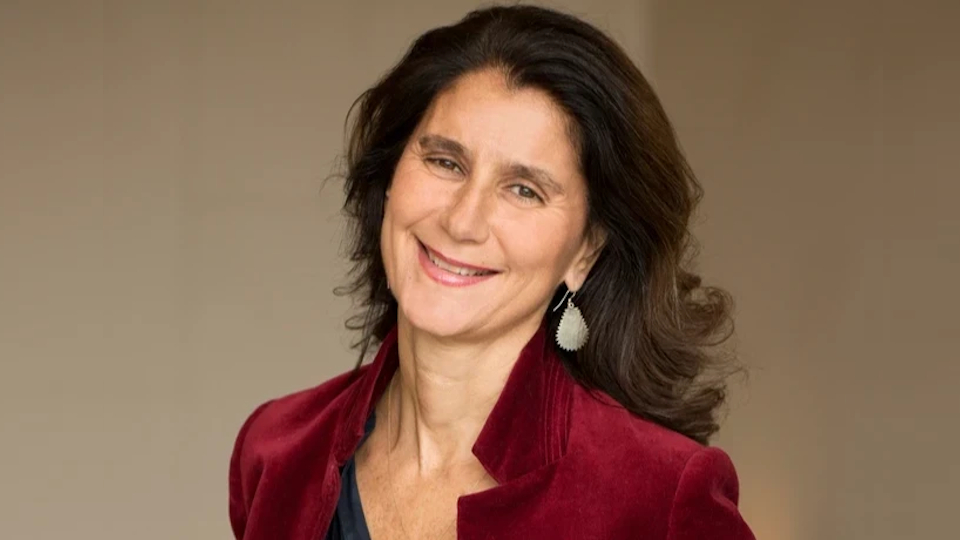
Jeito Capital was founded in 2018 by Dr Rafaèle Tordjman, a hematologist-immunologist turned biotech investor who spent more than 15 years at Sofinnova Partners building one of Europe's most successful biotech portfolios. Tordjman is widely credited with shaping Jeito's patient-centric, conviction-driven approach and has been a consistent voice for gender and scientific diversity in European venture. She chairs Jeito's investment committee and has personally led several of the firm's headline investments.
The wider Jeito team combines scientific and medical operators with seasoned biotech financiers. The firm's three exits to date, including EyeBio's sale to Merck for up to $3 billion in 2024 (honoured as 'M&A of the Year' at the LSX European Lifestars Awards), plus a Biogen transaction, have produced a cumulative exit value of up to $4.8 billion at an average holding period of roughly 24 months. For a biotech fund that launched its first vehicle only in 2021, that exit cadence is exceptional and is the core data point Jeito leaned on during the Jeito II raise.
What This Means for Founders
If you are a European biotech CEO running a clinical-stage asset, particularly in obesity, oncology, immunology, neurology or cardio-metabolic disease, Jeito II should be at or near the top of your lead investor list for Series B or later. The firm can write larger cheques than most European peers, is structurally committed to concentrated positions, and has the pharma relationships to shape exit conversations. The trade-off is that Jeito is a picky, science-first shop: expect deep diligence on target biology, preclinical package and regulatory strategy rather than a pure narrative pitch.
For earlier-stage founders, the value-add is more indirect. Jeito II's existence raises the price of quality European Series B rounds, which should cascade into more confident Series A pricing for scientifically credible assets. Preseed and seed founders should also note that Jeito's network gives its portfolio preferential access to transatlantic crossover investors, which is still the unlock for most European biotechs heading into pivotal trials.
Fund Momentum Take
Jeito II is the most important European biotech fundraise in at least five years, and we would argue it is a bigger signal for European life sciences than any single IPO could be. In a market where most biotech GPs are explaining why they are taking longer to close, Tordjman's team sailed past a €1 billion target during the worst biotech funding environment of the decade. That is only possible when LPs believe a manager has both a differentiated sourcing engine and a credible path to near-term distributions. Two blockbuster exits inside four years of Jeito I's vintage is about as strong a DPI signal as exists in European biotech today.
The risk we would flag is concentration. Running a €1 billion fund into 15 to 20 clinical-stage names means each bet needs to work; a single Phase 3 blowup can wipe out a meaningful slice of the fund's TVPI. Jeito's pattern of doubling down only into advanced clinical assets with clear M&A optionality is a mitigation, but LPs should not mistake Jeito II for a diversified biotech index product. It is a concentrated, high-conviction, late-stage bet on European drug development and the willingness of big pharma to acquire its way out of the patent cliff.
Our prediction: by 2028, Jeito II will have produced at least two further $1 billion+ exits to large-cap pharma, and Jeito III will raise at or above €1.5 billion in under nine months. The Sofinnova-Forbion-Jeito triangle will become the European biopharma venture default, and US crossover funds will increasingly co-invest with Jeito as an alternative to competing with it.
Frequently Asked Questions
Is Jeito II a private equity fund or a venture capital fund?
Jeito describes itself as an independent private equity firm dedicated to biopharma, but operationally it behaves like a late-stage biopharma venture growth fund: it takes minority positions in clinical-stage startups rather than doing control buyouts. For VC-focused LPs and founders, treating it as a European peer to Forbion Growth or Sofinnova Crossover is the more accurate mental model.
Why did Jeito II close above its €1 billion target in such a weak biotech market?
Jeito I's exits to Merck and Biogen delivered real cash back to LPs in roughly two years, which is a rare DPI story in biotech venture. In a risk-off market, LPs concentrate capital with proven managers, so Jeito's track record effectively pulled commitments forward from GPs that might otherwise have sat on the sidelines.
What does Jeito II mean for European biotech founders specifically?
Founders now have a European-headquartered lead capable of writing €150 million over the life of a company, which used to require flying to Boston. That should let more European biotechs remain European-governed through pivotal trials and into exit, and should raise Series B valuations for high-quality clinical-stage assets.
What is the patent cliff and why does Jeito's strategy depend on it?
Between 2026 and 2033, several large pharma blockbusters lose exclusivity, potentially wiping out around $400 billion of revenue. Big pharma cannot replace that revenue internally, so external M&A becomes the default path. Jeito's concentrated late-stage positions are designed to be the assets pharma buys to fill the gap.
Who are Jeito II's LPs?
The fund is backed by the European Investment Bank, national development agencies, global pharmaceutical strategics, large insurers, pension funds, family offices, major foundations and university endowments, as well as banks across Europe, North America and Asia. That LP base is unusually balanced between institutional capital and strategic pharma, which should give Jeito a tighter read on future M&A demand.
Have a fund closing to announce? Submit your fund here.
Need help raising capital? Check out our Fundraising Advisory services.
Related funds in the index
Biotech funds from the verified index
| Fund | Size | Stage | Location | Focus |
|---|---|---|---|---|
| USV | $900M USD | Seed | United States | AI/ML, Robotics & Automation +4 |
| Forbion Fund IV | €2.3B combined (Growth Opportunities IV + Ventures VIII) EUR | Growth | Netherlands | Therapeutics, Biotech |
| Connect Fund V | $80M USD | Pre Seed | United Kingdom | AI/ML, Robotics & Automation +2 |
| Primo Biotech Lazio | €40M EUR | Seed | Italy | Biotech |
| a16z Growth Fund V | $8.5 billion USD | Growth | United States | AI/ML, Robotics & Automation +6 |