
Aurora Ventures Launches With inDrive Backing to Bet on Women Founders in Emerging Markets
TL;DR
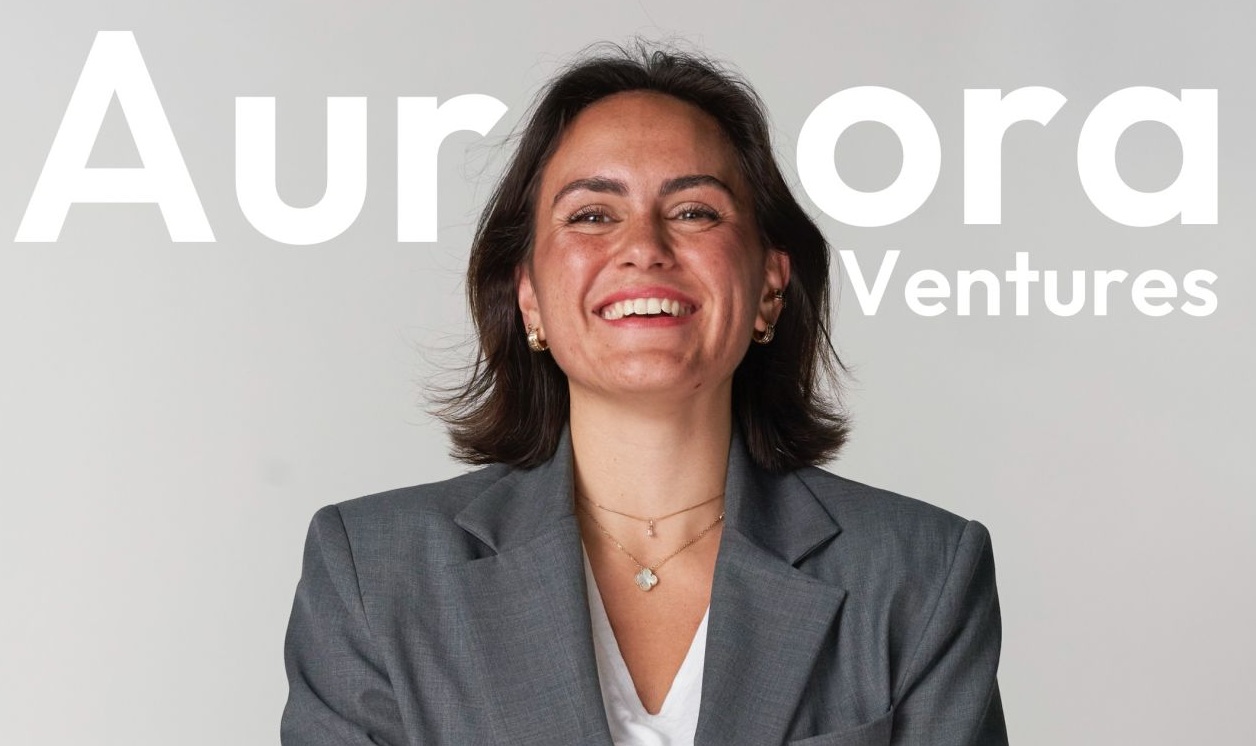
Aurora Ventures has officially launched, anchored by unicorn ride-hailing platform inDrive, to back women founders building in emerging markets across MENA, Africa, and Latin America. Led by Isabella "Bella" Ghassemi-Smith, the fund is the next chapter for the Aurora Tech Award, which has scaled from 116 applicants in 2021 to 3,400 across 127 countries in 2025. Aurora Ventures will deploy up to $250K cheques into 5 to 7 women-founded pre-seed and seed startups in 2026 as a pilot vehicle, before transitioning to a formal GP/LP fund structure in 2027. This is the cleanest example of the "sourcing-pipeline-first, fund-second" emerging-manager playbook to launch in 2026.
Key Takeaways
The award is the moat, and the moat is real. Most emerging-manager funds spend 60% of their time on deal flow. Aurora has spent 5 years building a 3,400-applicant pipeline before turning on the cheque book. That sequencing is the structural feature most other women-focused and emerging-market funds cannot replicate, and it is exactly what institutional LPs want to see before underwriting a Fund I in 2026.
The corporate-anchor LP model is replicable. inDrive sponsoring Aurora Ventures during its pilot year is a template that other unicorn founders (Wise, Nubank, Bukalapak, Careem, Halo) could adopt to deploy strategic capital into their home markets without building a full in-house CVC. Expect more launches of this shape across the next 12 months as unicorn balance sheets look for high-leverage uses of brand and capital.
"Exclusively women founders" is harder edged than the press framed it. The mandate is non-negotiable on the founder filter, the geography, and the stage. That clarity narrows the universe by design, and it also signals to LPs that Aurora has accepted the trade-offs of single-protected-class investing rather than dressing it up as something more diluted. That is the right move both commercially and brand-wise.
The pilot-then-GP/LP sequencing is the most important structural feature for emerging managers to copy. Rather than raising a $30M to $50M debut fund into a tough LP market, Bella is using inDrive capital to deploy small cheques, generate markups, and then raise on a real track record in 2027. This is how the most disciplined emerging managers have launched in the post-2022 reset, and it is the template Aurora is making legible.
Fund Overview
Fund Name: Aurora Ventures (2026 pilot, formal GP/LP fund structure planned for 2027)
Fund Size: Not publicly disclosed; pilot vehicle anchored by inDrive's New Ventures arm
Stage: Pre-seed and seed
Check Size: Up to $250K (typical floor not publicly stated, press references $180K to $250K)
Geography: MENA, Africa, and Latin America
Focus: Women-founded or co-founded technology startups; sector-agnostic with early bias toward fintech (LatAm) and healthcare
Key LPs: inDrive (sole anchor in 2026 pilot year)
Why This Fund Matters
Aurora Ventures is built on a structural insight that most women-focused and emerging-market funds have been slow to internalize: deal flow is the binding constraint, and credibility compounds before capital. The Aurora Tech Award launched in 2021 with 116 applications from 9 countries, and by 2025 it was sourcing 3,400 applications from 127 countries. That is roughly 29x growth in five years, with shortlists and longlists that VCs already consult when looking for female founders in emerging markets. Aurora Ventures is now monetizing that proprietary sourcing engine, which most competitor funds simply do not have.
The thesis is also commercially sharp. Aurora's research, drawn from 900+ founder interviews across 127 countries, points to structural mispricing of women-led companies in emerging markets: a higher bar for traction, intersectional bias, competence skepticism, and tighter investor networks that amplify pattern-matching errors. Bella is positioning Aurora as an arbitrage opportunity rather than an ESG narrative, which is exactly the framing institutional LPs will respond to in the harder fundraising environment of 2026.
The corporate-anchor LP structure is also worth flagging. inDrive scaled to unicorn status in the same markets Aurora is now investing in. That gives the fund a strategic partner with on-the-ground distribution, regulatory experience, and an established operating presence across LatAm, MENA, and Africa. Most emerging managers would kill for an LP that doubles as a customer and channel partner. inDrive's own CEO Arsen Tomsky and CGO Andries Smit have publicly framed the bet as an extension of their own contrarian unicorn-building story, not as charity.
The risk we would flag is scale. A 5-to-7 company pilot at up to $250K per cheque means roughly $1.25M to $1.75M deployed in 2026. That is not enough capital concentration to meaningfully signal to downstream investors that Aurora has high-conviction picks. The smartest move would be to accelerate deployment in the back half of 2026 (10+ companies) so the Fund I raise in 2027 has a credible markup story. The team would also benefit from publishing AUM, cheque-tier ranges, and named follow-on partners before going to LPs.
The Team
Isabella "Bella" Ghassemi-Smith leads Aurora Ventures as Head of Fund. She has spent the last four years running the Aurora Tech Award, scaling it from a recognition program into one of the largest female-founder pipelines outside conventional VC networks. Her background combines law (which she trained in before leaving), legal-tech operating experience (where she joined an early-stage company that scaled from 20 to 100+ people), and the founder of the "The Day I..." podcast. That blend of operator, community-builder, and platform-builder is the right profile for an emerging manager whose moat is brand and network rather than deep prior investing track record.
The honest gap is that Bella has not previously deployed venture capital as a GP. That is not disqualifying for an emerging manager, but LPs will probe hard at the Fund I raise in 2027, and Aurora will likely need to bring on a partner with direct investing experience before closing institutional capital. inDrive's sponsor relationship provides interim credibility, but a co-GP with allocation track record is the natural next hire.
What This Means for Founders
If you are a woman founder building at pre-seed or seed stage in MENA, Africa, or Latin America, Aurora Ventures should be at the top of your target list. The mandate is exactly your profile, the cheque size is genuine first-money capital rather than symbolic, and the founder bundle includes faster follow-on access, named-industry introductions, and partner perks (such as Lovable credits). Aurora is also structurally incentivized to over-invest in operational support during the pilot year because the team needs portfolio markups to justify the Fund I raise. That alignment works in founders' favor.
Aurora is less of a fit if you are outside the geographic mandate, even if your company hits every other criterion. Founders in the US, Western Europe, or Asia should not bother applying. It is also not a fit for capital-intensive deep-tech bets that require larger cheques to make first product progress.
Fund Momentum Take
Aurora Ventures is one of the more thoughtfully structured emerging-manager launches of 2026. The team has done the unglamorous work that most new funds skip: built a sourcing pipeline first, then attached capital to it. That order matters. Most new funds raise capital and then scramble to source. Aurora has 5 years of accumulated sourcing infrastructure and a founder community of 3,400 annual applicants when they finally turned on the cheque book. That is genuinely differentiated.
Our risk read is twofold. First, the pilot is small, and the LP environment for women-and-emerging-market mandates is more skeptical in 2026 than it was in 2021 or 2022. Aurora will need to show measurable portfolio-level performance, not just brand momentum, when it raises Fund I in 2027. Second, the geography filter combined with the founder filter combined with the stage filter narrows the addressable universe more aggressively than a generalist seed fund. Aurora needs the Tech Award pipeline to consistently surface defensible, scalable businesses, and that depends on whether the award attracts the strongest founders or primarily founders with weaker outside options.
Net, we think Aurora Ventures is one of the most relevant new emerging managers to track over the next 24 months. The model is replicable, the team has the right credentials, and the thesis is structurally sound. The next data point that matters is the 2026 portfolio composition. If Aurora can show 8-to-10 high-traction portfolio companies with clear paths to Series A by mid-2027, the Fund I raise becomes a much easier conversation.
Frequently Asked Questions
What is Aurora Ventures?
Aurora Ventures is an early-stage investment programme launched in April 2026 by the Aurora Tech Award team to back women founders building in emerging markets. The 2026 pilot is anchored by inDrive's New Ventures arm and is structured to transition to a formal GP/LP fund in 2027.
Who runs Aurora Ventures?
Isabella "Bella" Ghassemi-Smith, who has spent the last four years leading the Aurora Tech Award, runs Aurora Ventures as Head of Fund. Her background combines legal-tech operating experience, community building, and the Aurora pipeline development.
What does Aurora Ventures invest in?
Aurora Ventures invests in women-founded or co-founded technology startups at pre-seed and seed stage across MENA, Africa, and Latin America. The fund is officially sector-agnostic but has early bias toward fintech (LatAm) and healthcare.
What is the cheque size?
Aurora Ventures writes cheques up to $250K, with press coverage citing a typical range of $180K to $250K. The team plans to deploy into 5 to 7 portfolio companies during the 2026 pilot year.
How is Aurora Ventures different from the Aurora Tech Award?
The Aurora Tech Award (launched 2021) is a recognition programme that provides up to $50K in non-dilutive funding plus mentorship and visibility for women tech founders. Aurora Ventures (launched 2026) is a separate, selective equity investment vehicle that deploys equity cheques up to $250K. Both share the same pipeline but operate as distinct programmes.
Have a fund closing to announce? Submit your fund here.
Need help raising capital? Check out our Fundraising Advisory services.
Related funds in the index
Active funds from the verified index
| Fund | Size | Stage | Location | Focus |
|---|---|---|---|---|
| Anorak Ventures Fund III, | $35M USD | Seed | United States | |
| venture vehicle Fund II | Targeting $400 million USD | Pre Seed | United States | |
| DIG Ventures Fund III | $106M USD | Pre Seed | United Kingdom | |
| Headline EU Fund VIII | $400M USD | Series A | United Kingdom | |
| Eastend Ventures Fund I | A$30M AUD | Growth | United States |